 Festival & Vrat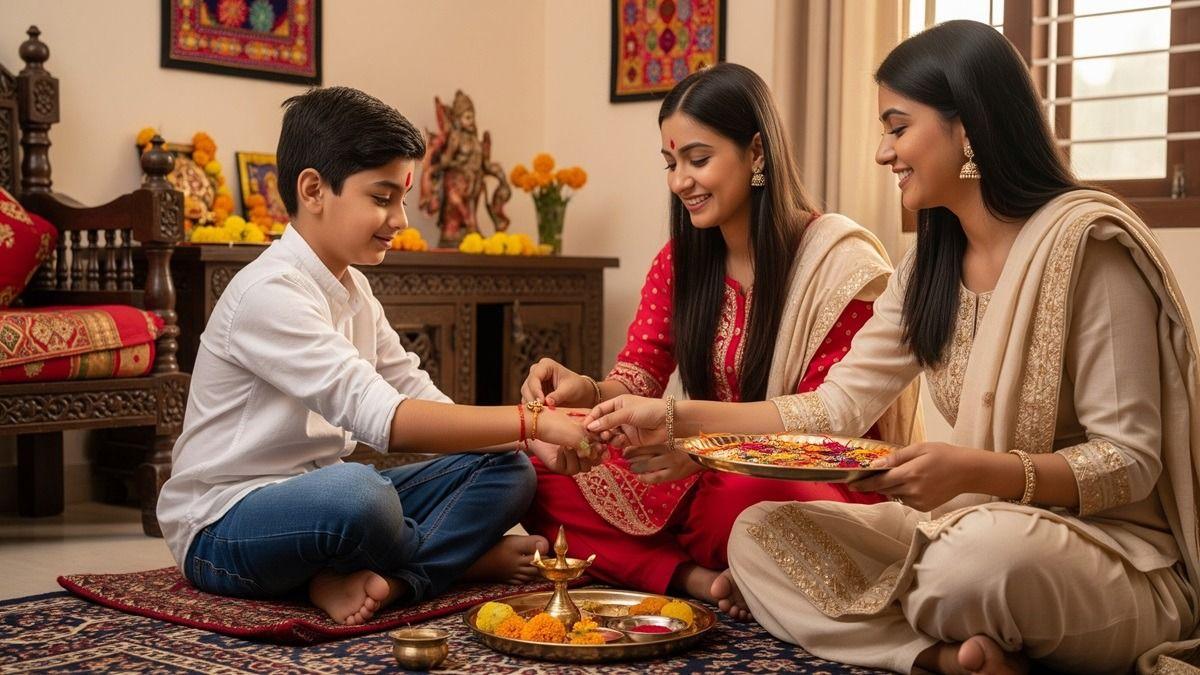
Raksha Bandhan 2026: Date, Rakhi Muhurat, Significance and Rituals
Raksha Bandhan, popularly known as Rakhi, is a cherished Hindu festival celebrating the bond of love, affection and protection between siblings. On this day, sisters traditionally tie a sacred thread called Rakhi around their brothers' wrists and pray for their happiness, health and well-being.
Brothers traditionally express their love and commitment toward their sisters and may offer gifts as part of the celebration. Families come together, perform traditional rituals, exchange sweets and celebrate the special bond shared between siblings.
In 2026, Raksha Bandhan will be observed on Friday, August 28. The festival falls on the full-moon day, or Purnima, of the traditional Shravan month.
Raksha Bandhan 2026 Date and Muhurat
Raksha Bandhan: Friday, August 28, 2026
Purnima Tithi Begins: August 27, 2026 at 9:08 AM
Purnima Tithi Ends: August 28, 2026 at 9:48 AM
The suitable time for the Rakhi ceremony depends on the local Panchang. For example, the listed Rakhi-tying window for New Delhi is 5:57 AM to 9:48 AM, while Pune has a listed window of 6:19 AM to 9:48 AM.
Since sunrise and other Panchang calculations vary by location, it is recommended to check the local Panchang before performing the Rakhi ceremony.
What is Raksha Bandhan?
Raksha Bandhan is a traditional Hindu festival that celebrates the relationship between brothers and sisters. The word "Raksha" means protection, while "Bandhan" refers to a bond or connection.
The central ritual involves the sister tying a Rakhi around her brother's wrist. She traditionally performs Aarti, applies a Tilak and offers sweets while praying for her brother's well-being.
The brother traditionally gives a gift to his sister and expresses his affection and commitment to their relationship.
Religious and Cultural Significance of Raksha Bandhan
Raksha Bandhan has both religious and cultural significance. The festival represents love, responsibility, mutual care and the importance of family relationships.
Although the traditional ceremony is commonly described as a sister tying Rakhi to her brother, the broader meaning of Raksha Bandhan is the celebration of affection, trust and protection between siblings.
Today, many families celebrate the festival in ways that reflect their own relationships and traditions while maintaining the symbolic importance of the Rakhi.
The Story Behind Raksha Bandhan
Several traditional stories are associated with Raksha Bandhan. One well-known legend connects the festival with Lord Krishna and Draupadi.
According to the traditional story, Draupadi is said to have tied a piece of cloth around Krishna's wrist after he was injured. Krishna is traditionally believed to have promised to protect her in return.
Another traditional account connects Raksha Bandhan with Indra and Indrani. Such stories contribute to the cultural and religious significance associated with the festival.
Different communities may follow different legends and interpretations, making Raksha Bandhan a festival with several traditional narratives.
Raksha Bandhan Puja Vidhi
The exact Raksha Bandhan ritual can vary according to family and regional traditions. A simple traditional ceremony can be performed using the following steps.
Step 1: Prepare the Puja Thali
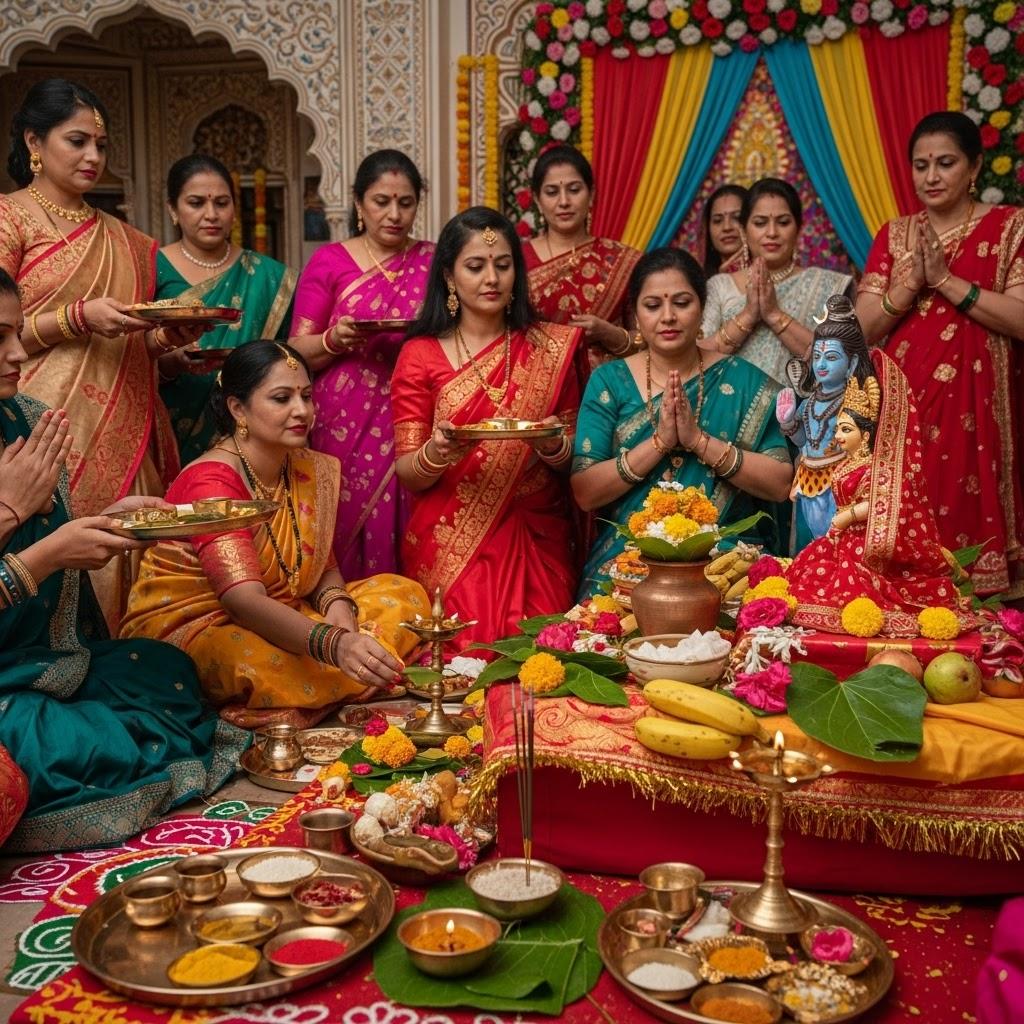
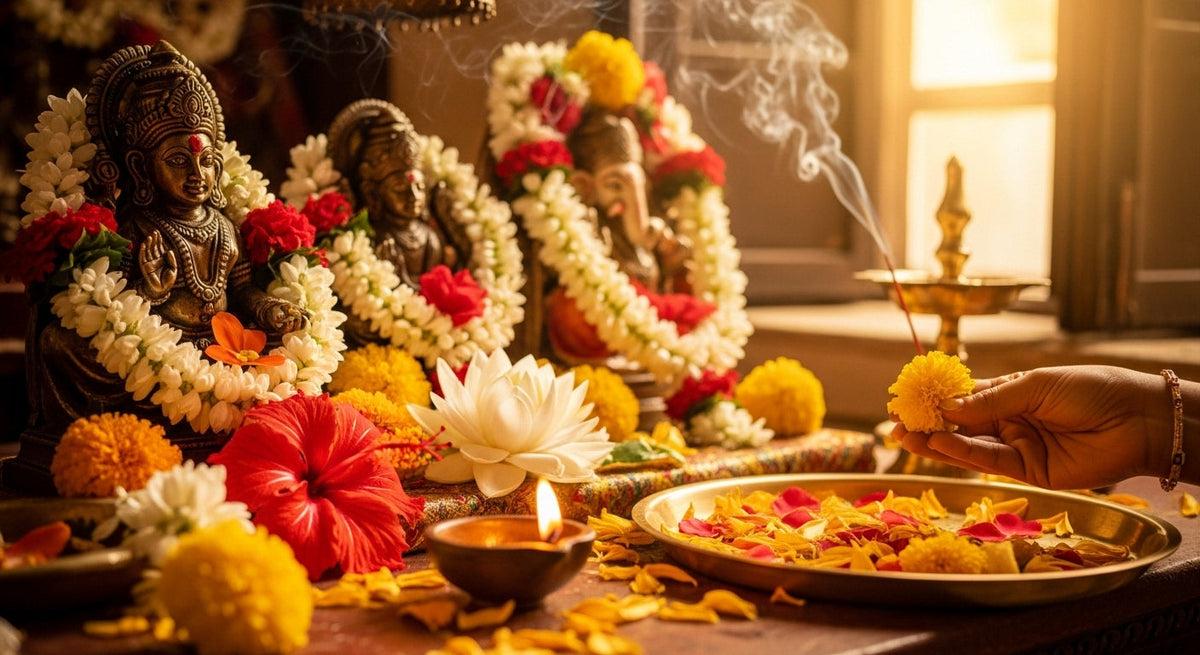
Prepare a clean Puja Thali with the items required for the Rakhi ceremony. A traditional thali may contain a Rakhi, Kumkum, rice grains, diya, flowers, sweets and other customary items.
Step 2: Light the Diya
Light a diya and prepare the worship area. The diya is traditionally associated with auspiciousness and the presence of divine light.
Step 3: Apply Tilak
The sister traditionally applies a Tilak of Kumkum or another customary material on her brother's forehead as part of the ceremony.
Step 4: Tie the Rakhi
The sister ties the Rakhi around her brother's wrist while offering prayers for his health, happiness and well-being.
Step 5: Perform Aarti
The sister may perform Aarti for her brother as part of the traditional ceremony. Prayers and blessings are offered for his well-being.
Step 6: Exchange Sweets and Gifts
After the Rakhi ceremony, siblings traditionally exchange sweets and gifts. This makes the celebration joyful and strengthens the feeling of togetherness within the family.
Raksha Bandhan Puja Samagri
The exact Puja Samagri may differ according to family and regional traditions. Common items used during Raksha Bandhan include:
- Rakhi
- Kumkum or Tilak
- Rice grains
- Diya
- Flowers
- Incense
- Traditional sweets
- Fruits
- Aarti Thali
- Gifts for siblings
How is Raksha Bandhan Celebrated?
Raksha Bandhan is celebrated with enthusiasm in homes and communities across India. Families often begin the day by preparing traditional foods and arranging the Rakhi ceremony.
Sisters may choose special Rakhis for their brothers, while brothers may prepare gifts for their sisters. Families often dress in traditional clothes and gather together for the ceremony.
After the Rakhi ceremony, family members exchange sweets, gifts and blessings. In many homes, the festival becomes an opportunity for siblings and relatives to spend quality time together.
The Meaning of the Rakhi
The Rakhi is traditionally understood as a sacred thread representing the bond between siblings. It symbolizes affection, trust, responsibility and a wish for the well-being of the person wearing it.
Modern Rakhis are available in many different designs, from simple traditional threads to decorative and personalized Rakhis. Despite these changes in style, the symbolic meaning of the Rakhi remains connected with the sibling relationship.
Raksha Bandhan and Family Bonding
Beyond the traditional rituals, Raksha Bandhan provides families with an opportunity to reconnect and celebrate their relationships.
For siblings living in different cities or countries, the festival can also be celebrated through video calls, online gifts and sending Rakhis by post. These modern practices allow families to maintain their traditions even when they cannot be together physically.
Things to Keep in Mind on Raksha Bandhan
Traditional Panchang guidance generally recommends avoiding the Rakhi ceremony during Bhadra. The appropriate time should therefore be checked according to the local Panchang.
Since Muhurat can vary by city, it is better to use location-specific Panchang information rather than following a single time published for another city.
Most importantly, Raksha Bandhan is about celebrating the bond between siblings. The rituals can be adapted respectfully according to family customs and circumstances.
Frequently Asked Questions About Raksha Bandhan
When is Raksha Bandhan in 2026?
Raksha Bandhan will be celebrated on Friday, August 28, 2026.
What is the significance of Raksha Bandhan?
Raksha Bandhan celebrates the bond of love, affection and protection between siblings. The Rakhi represents the traditional bond and prayers for the well-being of the sibling.
What should be kept in a Raksha Bandhan Puja Thali?
A traditional Raksha Bandhan Thali may include a Rakhi, Kumkum, rice grains, diya, flowers, sweets and other customary Puja items.
What time should Rakhi be tied in 2026?
The suitable Rakhi-tying time depends on the location. For example, the listed window for New Delhi is 5:57 AM to 9:48 AM, while Pune's listed window is 6:19 AM to 9:48 AM. Always check the local Panchang for the most appropriate timing.
Can Raksha Bandhan be celebrated when siblings live far apart?
Yes. Families can celebrate through video calls, sending Rakhis and gifts by post, or arranging the ceremony when they are able to meet. The festival's central theme is the bond and affection between siblings.
Conclusion
Raksha Bandhan 2026 will be celebrated on August 28, bringing families together to celebrate the special bond between brothers and sisters.
From tying the Rakhi and performing Aarti to exchanging sweets and gifts, every part of the celebration reflects affection, care and family connection.
While traditional rituals and Muhurat may differ across regions, the central message of Raksha Bandhan remains the celebration of love, trust and togetherness between siblings.
Disclaimer: This article describes traditional religious beliefs and practices for educational and cultural purposes. Festival dates, Muhurat and rituals may vary according to location, Panchang tradition and family customs. Readers should consult their local Panchang or a qualified priest for location-specific timings and rituals.