 Festival & Vrat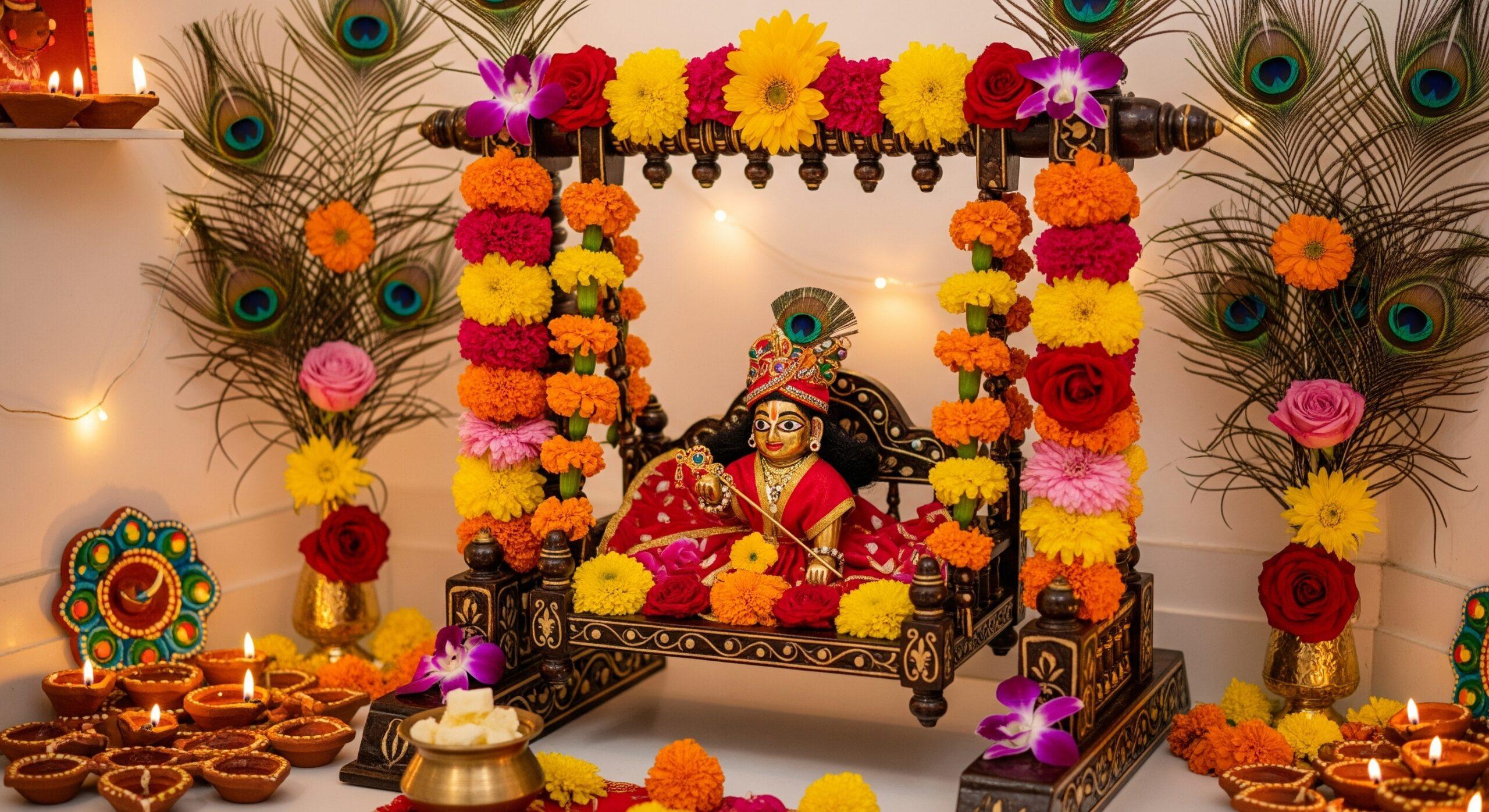
Janmashtami 2026: Date, Puja Muhurat, Significance and Puja Vidhi
Janmashtami, also known as Krishna Janmashtami or Gokulashtami, is one of the most important Hindu festivals dedicated to the birth of Lord Krishna. Devotees observe fasting, perform prayers, decorate temples and homes, sing devotional songs and celebrate the birth of Krishna at midnight.
In 2026, Krishna Janmashtami will be observed on Friday, September 4. According to the Panchang, the Ashtami Tithi begins on September 4 and ends shortly after midnight on September 5. The traditional Nishita period is considered especially important for Krishna worship.
The exact Puja Muhurat can vary according to location. For example, the listed Nishita Puja Muhurat for Bengaluru is 11:55 PM to 12:42 AM on September 5. Devotees should therefore check their local Panchang for location-specific timings.
Janmashtami 2026 Date and Muhurat
Festival: Krishna Janmashtami
Date: Friday, September 4, 2026
Dahi Handi: Saturday, September 5, 2026
Ashtami Tithi Begins: September 4, 2026
Ashtami Tithi Ends: September 5, 2026
The Nishita period, or Hindu midnight, is traditionally considered an important time for Krishna Puja. Since the exact timing differs from city to city, devotees should refer to their local Panchang before performing the midnight worship.
What is Janmashtami?
Janmashtami is the traditional celebration of the birth of Lord Krishna, who is revered as an incarnation of Lord Vishnu in Hindu tradition.
According to Hindu tradition, Krishna was born at midnight in Mathura. His birth is celebrated with devotion, prayers, devotional music and special rituals in homes and temples.
The festival is especially associated with devotion, righteousness, compassion and the teachings of Lord Krishna. It is observed with great enthusiasm across different regions of India and by Hindu communities around the world.
Religious Significance of Janmashtami
Janmashtami holds deep religious and cultural significance for devotees of Lord Krishna. The festival celebrates the divine birth of Krishna and reminds devotees of the importance of dharma, devotion and righteous action.
Krishna's teachings, especially those associated with the Bhagavad Gita, emphasize performing one's duties with sincerity while maintaining devotion and inner balance.
Devotees traditionally use Janmashtami as an opportunity to pray, reflect on Krishna's teachings and strengthen their spiritual connection.
How is Janmashtami Celebrated?
Janmashtami celebrations can vary across regions, temples and families. However, several traditional practices are commonly associated with the festival.
- Observing a fast during the day
- Decorating homes and temples
- Worshipping Krishna or Laddu Gopal
- Listening to devotional songs and Krishna stories
- Performing midnight prayers
- Preparing traditional sweets and offerings
- Participating in Dahi Handi celebrations in some regions
Janmashtami Vrat
Many devotees observe a fast on Janmashtami as part of their traditional religious practice. Fasting customs can differ depending on family, regional and religious traditions.
Some devotees observe a strict fast, while others consume permitted fasting foods. Devotees may take a Sankalpa and continue their fast until the appropriate Parana time according to the tradition they follow.
Anyone with medical conditions, dietary restrictions or other health concerns should follow appropriate professional advice rather than undertaking a restrictive fast without guidance.
Janmashtami Puja Vidhi
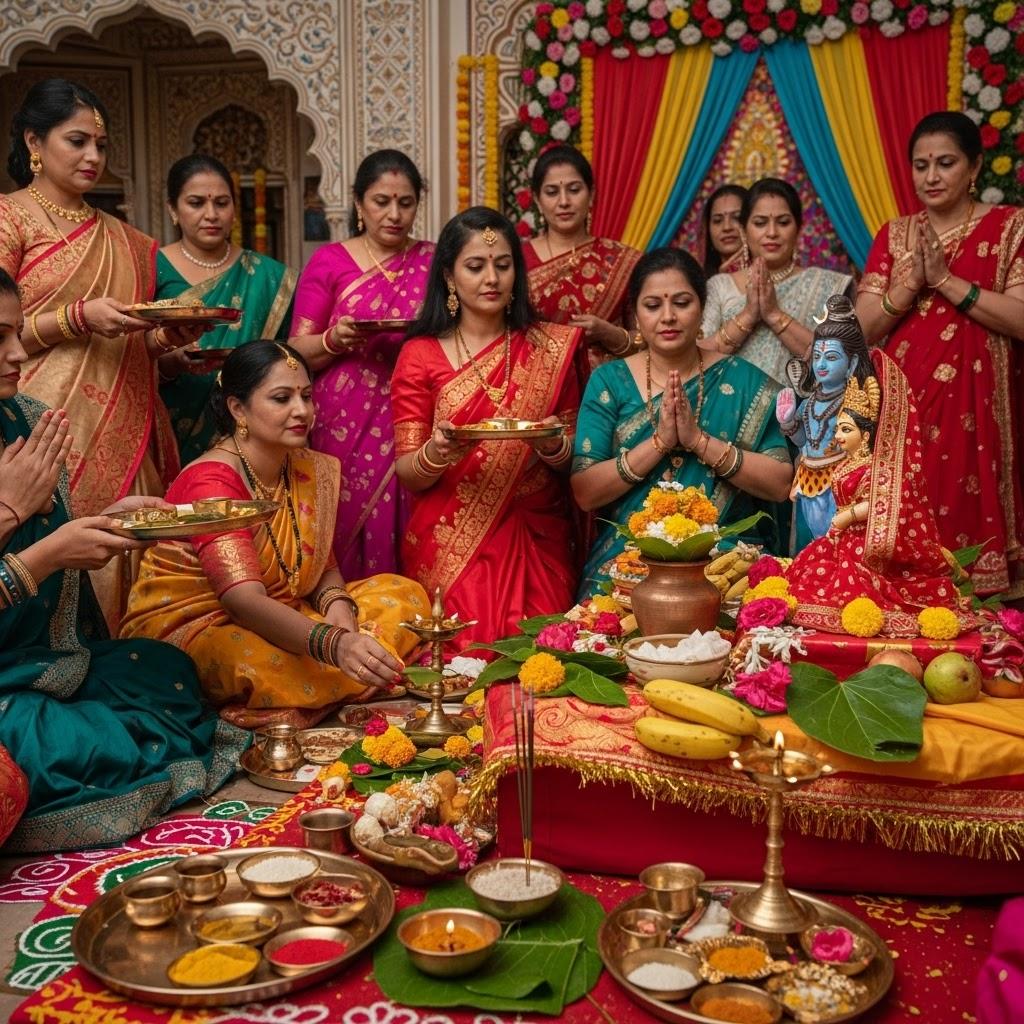
The exact Puja Vidhi may vary according to regional and family traditions. A simple traditional worship sequence may include the following steps:
Step 1: Clean the Puja Area
Clean the worship area and prepare a peaceful place for the Krishna Puja. A small altar can be decorated with flowers, cloth and other traditional decorative items.
Step 2: Prepare the Krishna Idol
Place a Krishna or Laddu Gopal idol in the designated worship area. Devotees may traditionally dress the idol in clean clothes and decorate it with flowers and ornaments.
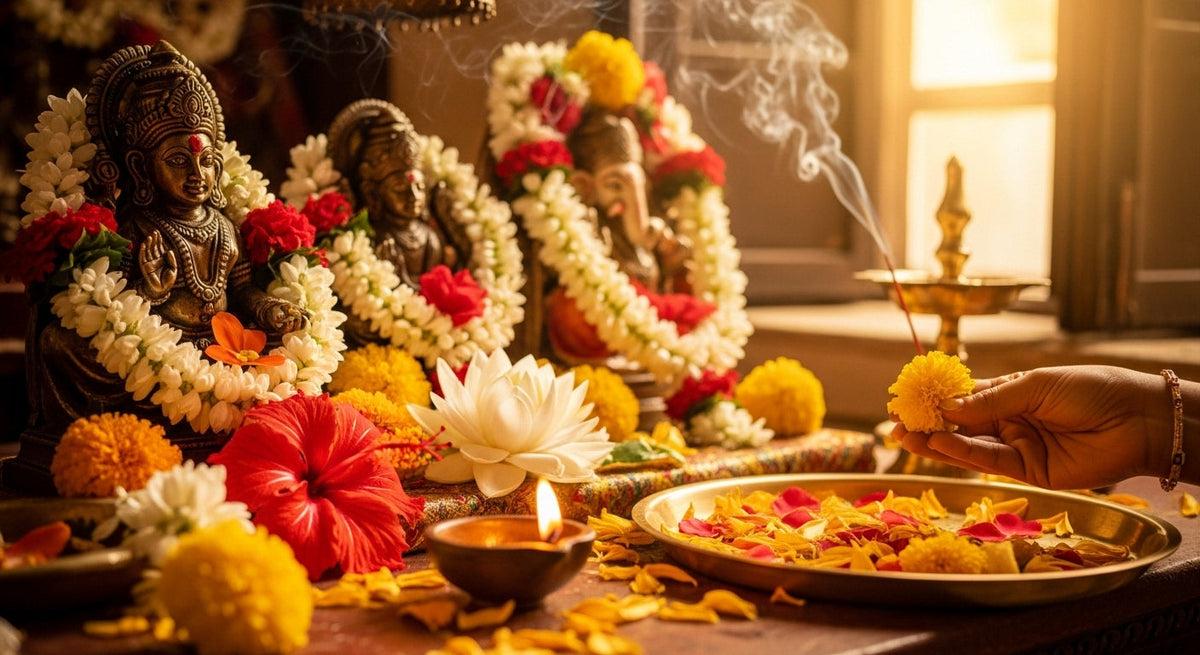
Step 3: Light the Diya
Light a diya and incense as part of the traditional worship. Offer prayers with devotion and maintain a peaceful atmosphere during the Puja.
Step 4: Offer Flowers and Bhog
Flowers, fruits, sweets and other traditional offerings may be offered to Lord Krishna. Makhan and Mishri are especially associated with Krishna in popular devotional traditions.
Step 5: Perform Krishna Puja
Recite Krishna prayers or mantras according to your family or temple tradition. Devotees may also read or listen to stories describing the life and teachings of Lord Krishna.
Step 6: Midnight Celebration
Many devotees perform the main Krishna worship around midnight because Krishna's traditional birth is celebrated at this time. The idol may be placed in a decorated cradle, followed by devotional singing and Aarti.
Traditional Offerings for Lord Krishna
Different families and temples follow different traditions when preparing Bhog for Krishna Janmashtami. Some commonly associated offerings include:
- Makhan and Mishri
- Milk and curd
- Fruits
- Traditional sweets
- Panchaamrit
- Fresh flowers
- Other homemade devotional offerings
The most important aspect of the offering is traditionally considered to be devotion and sincerity rather than the quantity of food offered.
Janmashtami and Dahi Handi
Dahi Handi is a popular celebration associated with Krishna's childhood stories. It is especially famous in Maharashtra and several other parts of India.
The tradition is inspired by stories of young Krishna and his friends attempting to reach pots of butter and curd. During modern celebrations, groups form human pyramids to reach and break a decorated pot.
In 2026, Dahi Handi is observed on Saturday, September 5, following Krishna Janmashtami.
Krishna's Teachings and Janmashtami
Janmashtami is not only a celebration of Krishna's birth but also an opportunity to reflect on his teachings. Krishna's dialogue with Arjuna in the Bhagavad Gita discusses duty, action, knowledge, devotion and spiritual understanding.
One of the central ideas associated with Krishna's teachings is the importance of performing one's responsibilities sincerely without being overly attached to the results.
For many devotees, Janmashtami therefore represents both celebration and spiritual reflection.
Frequently Asked Questions About Janmashtami
When is Janmashtami in 2026?
Krishna Janmashtami will be observed on Friday, September 4, 2026.
When is Dahi Handi in 2026?
Dahi Handi will be observed on Saturday, September 5, 2026, according to the cited 2026 Panchang listings.
When should Janmashtami Puja be performed?
The main Krishna Puja is traditionally performed during the Nishita period around midnight. The exact timing varies according to location, so devotees should check their local Panchang.
What can be offered to Lord Krishna on Janmashtami?
Traditional offerings may include fruits, sweets, milk, curd, Makhan, Mishri, flowers and other homemade devotional foods according to family traditions.
Can Janmashtami be celebrated at home?
Yes. Devotees can observe Janmashtami at home through prayer, fasting, Krishna Puja, devotional songs, offerings and midnight celebrations according to their family traditions.
Conclusion
Janmashtami 2026 will be celebrated on Friday, September 4, marking the traditional celebration of the birth of Lord Krishna. The festival brings together devotion, fasting, prayer, music, traditional rituals and joyful celebrations.
From worshipping Laddu Gopal and preparing Bhog to observing the midnight Puja and participating in Dahi Handi, devotees celebrate Krishna Janmashtami in many different ways across India.
If you are planning to observe Janmashtami, check your local Panchang for the exact Nishita Puja Muhurat and Parana timing because these timings can vary by location and tradition.
Disclaimer: This article describes traditional religious beliefs and practices for educational and cultural purposes. Festival dates, Muhurat and fasting practices can vary according to location, Panchang tradition and family customs. Readers should consult their local Panchang or a qualified priest for location-specific timings and rituals.