 Festival & Vrat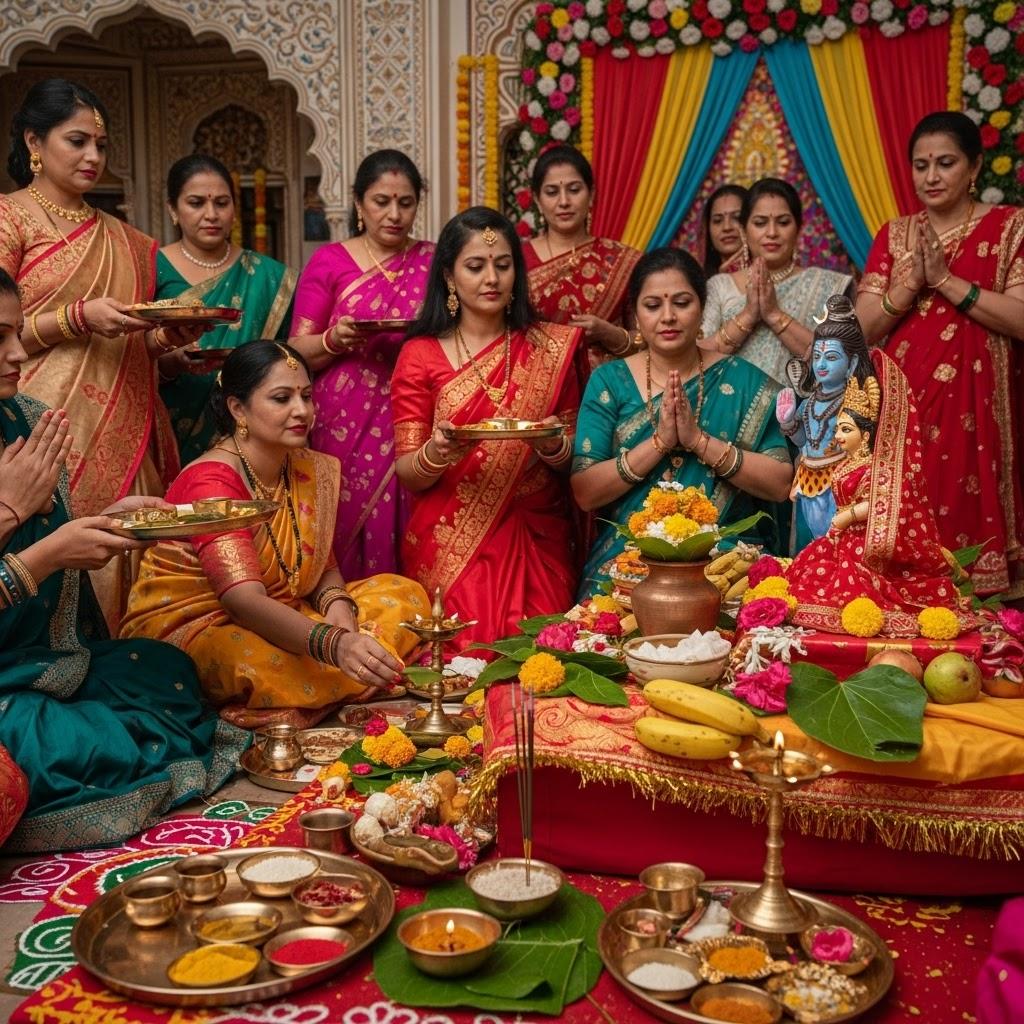
Hartalika Teej : Date, Puja Muhurat, Significance and Vrat Vidhi
Hartalika Teej is an important Hindu festival dedicated to Goddess Parvati and Lord Shiva. The festival is traditionally observed by women with prayers, fasting and devotion for marital happiness, family well-being and a harmonious married life.
Hartalika Teej is observed on the Tritiya Tithi of Shukla Paksha during the month of Bhadrapada. In 2026, Hartalika Teej will be observed on Monday, September 14, 2026.
The festival is associated with the traditional story of Goddess Parvati's devotion and determination to marry Lord Shiva. Devotees observe the day through fasting, worship, prayers and traditional rituals.
Hartalika Teej 2026 Date and Muhurat
Hartalika Teej: Monday, September 14, 2026
Tritiya Tithi Begins: September 13, 2026
Tritiya Tithi Ends: September 14, 2026
According to the New Delhi Panchang listing, the Pratahkala Hartalika Puja Muhurat is approximately 6:05 AM to 7:06 AM on September 14, 2026. Since Panchang calculations and sunrise times differ by location, devotees should check their local Panchang for the exact Puja Muhurat.
What is Hartalika Teej?
Hartalika Teej is traditionally dedicated to the worship of Goddess Parvati and Lord Shiva. It is especially significant for married women, who may observe a fast and perform prayers for the well-being and long life of their husbands.
Unmarried women may also observe the vrat according to their traditions, praying for a suitable life partner and a happy married life.
The festival is celebrated with different customs across India. Women may wear traditional clothes, apply mehendi, decorate their hands, participate in devotional gatherings and perform special puja.
Why is Hartalika Teej Celebrated?
Hartalika Teej is traditionally associated with the devotion of Goddess Parvati toward Lord Shiva. According to the traditional legend, Parvati performed intense penance and devotion to win Lord Shiva as her husband.
The story represents devotion, determination, patience and spiritual dedication. For devotees, Hartalika Teej is therefore an opportunity to express their faith and seek blessings from Shiva and Parvati.
The Story Behind Hartalika Teej
According to traditional Hindu mythology, Goddess Parvati deeply wished to marry Lord Shiva. Her father, however, wanted her to marry Lord Vishnu.
Parvati's friend is traditionally said to have helped her by taking her away to a forest so that she could continue her devotion to Lord Shiva. This is connected with the traditional meaning of the name Hartalika, which is associated with the story of Parvati being taken away by her female friend.
In the forest, Parvati is traditionally believed to have performed intense penance and worshipped Lord Shiva. Pleased with her devotion, Lord Shiva eventually accepted her as his wife.
The story is remembered during Hartalika Teej as an example of devotion, determination and dedication.
Hartalika Teej Vrat
The Hartalika Teej Vrat is traditionally considered one of the important fasting observances associated with Goddess Parvati. Many women observe a strict fast during the day and perform the evening or morning puja according to their regional traditions.
Fasting practices can vary between families and regions. Some devotees observe a Nirjala fast, while others follow different forms of fasting according to their health and family customs.
Anyone with medical conditions, pregnancy, medication requirements or other health concerns should not undertake a restrictive fast without appropriate medical guidance.
Hartalika Teej Puja Vidhi
The traditional Puja Vidhi may differ from one region to another. A simple form of worship can include the following steps:
Step 1: Clean the Puja Area
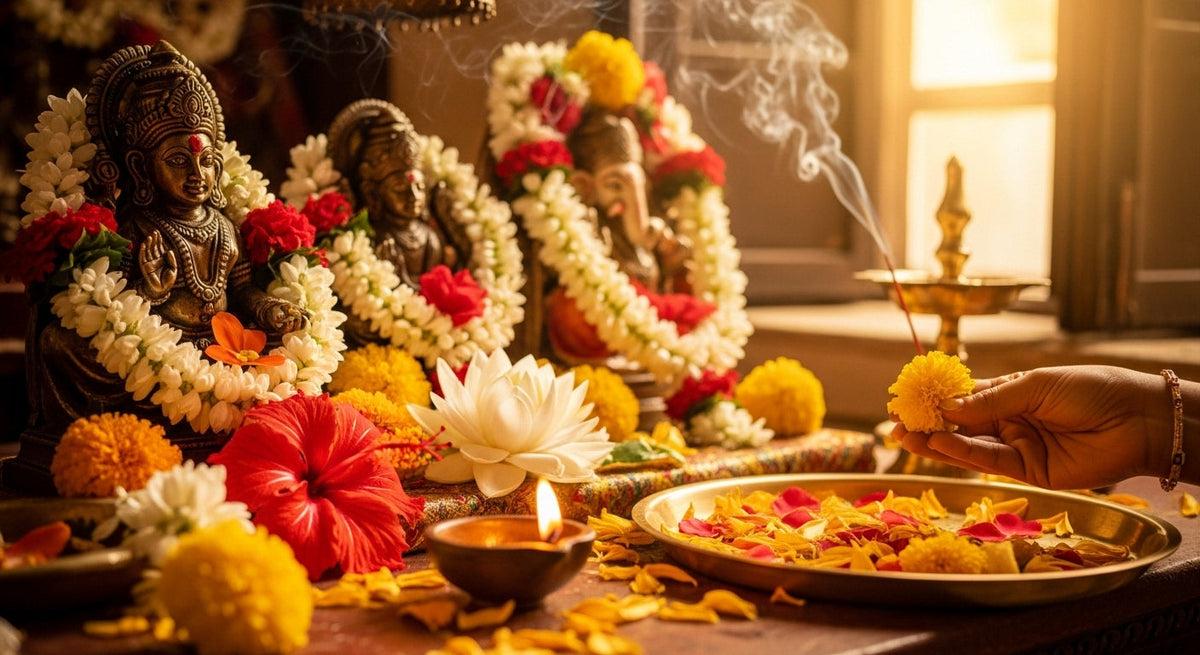
Clean the place where the puja will be performed and prepare a peaceful worship area. Traditionally, the puja space may be decorated with flowers, rangoli and other festive decorations.
Step 2: Prepare the Idols or Images
Place representations of Lord Shiva and Goddess Parvati in the puja area. Some traditions also create symbolic idols using clay or natural materials.
Step 3: Light the Diya
Light a diya and incense before beginning the worship. Devotees may offer prayers and make a Sankalpa according to their family tradition.
Step 4: Offer Flowers and Traditional Items
Offer flowers, fruits, sweets and other traditional puja items to Shiva and Parvati. Items used during the puja may vary according to regional customs.
Step 5: Perform Shiva-Parvati Puja
Worship Lord Shiva and Goddess Parvati with devotion. Devotees may recite traditional prayers, mantras or listen to the Hartalika Teej Vrat Katha.
Step 6: Perform Aarti
The puja can conclude with Aarti and prayers for family happiness, prosperity, peace and marital well-being.
Hartalika Teej Puja Samagri
The exact Puja Samagri can differ according to local and family traditions. Commonly used items may include:
- Idols or images of Lord Shiva and Goddess Parvati
- Flowers
- Fruits
- Diya and incense
- Roli and Kumkum
- Akshat
- Clothes or traditional decorations
- Sweets and other Bhog items
- Mehendi
- Other traditional items followed by the family
Hartalika Teej Traditions and Celebrations
Hartalika Teej is celebrated with great enthusiasm in many parts of India. Women often wear traditional sarees or other festive clothing and decorate themselves with jewellery, bangles and mehendi.
Swings, devotional songs and gatherings are also associated with Teej celebrations in many regions. Women may gather together to sing traditional songs and share festive foods after completing their religious observances.
The way Hartalika Teej is celebrated can vary considerably between regions, communities and families.
Hartalika Teej and Goddess Parvati
Goddess Parvati is at the centre of Hartalika Teej traditions. Her devotion and determination toward Lord Shiva are remembered through prayers and the Hartalika Teej Vrat.
For devotees, Goddess Parvati represents devotion, strength, patience and determination. Worshipping Shiva and Parvati together is traditionally associated with harmony, love and marital happiness.
Hartalika Teej in Different Regions
Hartalika Teej is observed across several parts of India, with different regional customs and names. The rituals, food, clothing and style of celebration may differ from one state or community to another.
In parts of South India, related observances may be connected with Gowri Habba, while North Indian traditions often emphasize the Hartalika Teej Vrat and Shiva-Parvati worship.
Despite regional differences, devotion to Goddess Parvati and Lord Shiva remains an important theme of the festival.
Frequently Asked Questions About Hartalika Teej
When is Hartalika Teej in 2026?
Hartalika Teej will be observed on Monday, September 14, 2026.
Who observes Hartalika Teej Vrat?
Traditionally, married women observe the vrat for the well-being and prosperity of their married life. Unmarried women may also observe it according to their traditions and pray for a suitable life partner.
What is the significance of Hartalika Teej?
Hartalika Teej commemorates the devotion of Goddess Parvati toward Lord Shiva and is traditionally associated with marital happiness, devotion, strength and spiritual dedication.
What is worshipped on Hartalika Teej?
Lord Shiva and Goddess Parvati are traditionally worshipped during Hartalika Teej.
Can unmarried women observe Hartalika Teej?
Yes. In many traditions, unmarried women also observe the vrat and pray for a suitable life partner and a happy married life.
What should be offered during Hartalika Teej Puja?
Flowers, fruits, sweets, diya, incense, kumkum and other traditional puja items may be offered. Exact practices vary according to regional and family traditions.
Conclusion
Hartalika Teej 2026 will be observed on September 14. The festival is traditionally dedicated to Goddess Parvati and Lord Shiva and is celebrated through fasting, prayers, Puja and devotional practices.
The story of Goddess Parvati's devotion is an important part of the festival and represents determination, patience, faith and dedication. Women across different regions observe Hartalika Teej according to their family and community traditions.
If you plan to observe Hartalika Teej, check your local Panchang for the exact Puja Muhurat because timings can vary according to location.
Disclaimer: This article describes traditional religious beliefs and practices for educational and cultural purposes. Festival dates, Muhurat and fasting practices may vary according to location, Panchang tradition and family customs. Readers should consult their local Panchang or a qualified priest for location-specific timings and rituals.