 Festival & Vrat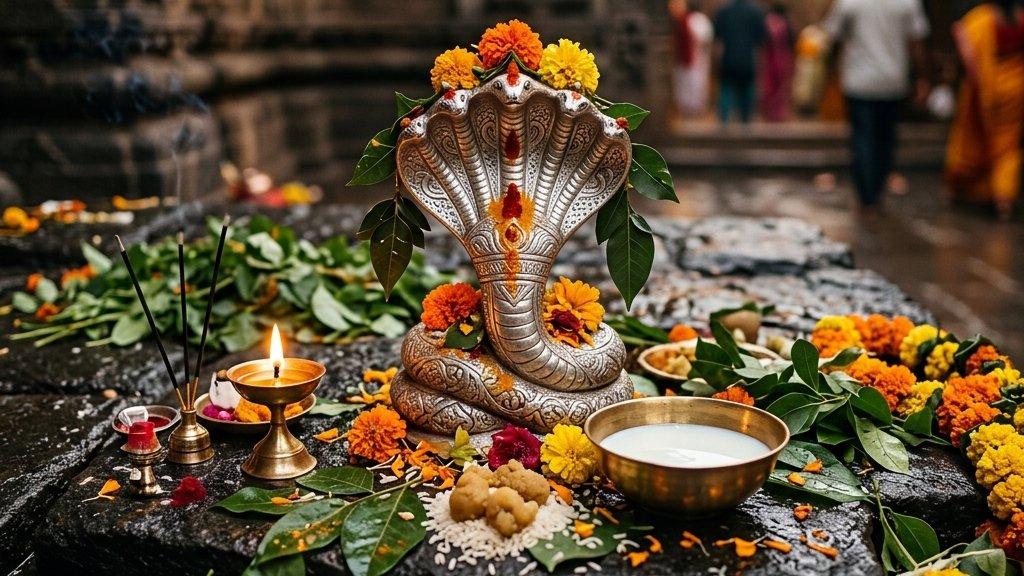
Nag Panchami 2026: Date, Significance, Puja Vidhi and Rituals
Nag Panchami is an important Hindu festival dedicated to the worship of Nag Devta, or serpent deities. It is traditionally observed on the fifth day, known as Panchami Tithi, of the Shukla Paksha during the month of Shravan.
In 2026, Nag Panchami will be observed on Monday, August 17, 2026. The festival is associated with traditional prayers for protection, prosperity, family well-being and respect for nature.
Nag Panchami holds cultural and religious importance in different parts of India, and customs may vary from one region to another. Devotees may visit temples, perform puja and offer traditional prayers to Nag Devta.
Nag Panchami 2026 Date
Nag Panchami 2026: Monday, August 17, 2026
According to the Panchang, Nag Panchami falls on Shukla Paksha Panchami during the Shravan month. The Panchami Tithi begins on August 16 and ends on August 17. Since Panchang calculations can vary according to location, devotees should check their local Panchang for the exact Puja Muhurat.
For example, published Panchang sources provide location-specific timings, demonstrating why the exact worship window should be checked according to the city where the puja is being performed.
What is Nag Panchami?
Nag Panchami is traditionally dedicated to the worship of snakes and Nag Devta. Snakes hold an important place in Hindu traditions and are associated with several deities and stories from Hindu scriptures and mythology.
The festival is traditionally seen as an occasion to express respect toward serpent deities and nature. Devotees may offer prayers and perform rituals seeking blessings for the well-being and protection of their families.
Religious Significance of Nag Panchami
Nag Panchami has deep cultural and spiritual significance in Hindu tradition. Serpents are represented in several important stories and are associated with divine powers, protection and transformation.
Lord Shiva is often depicted with a serpent around his neck, while Shesha or Ananta is traditionally associated with Lord Vishnu. These associations give serpent worship an important place in Hindu mythology.
For devotees, Nag Panchami can also be a reminder of respect for nature and the creatures that form an important part of the natural ecosystem.
Nag Panchami Puja Vidhi
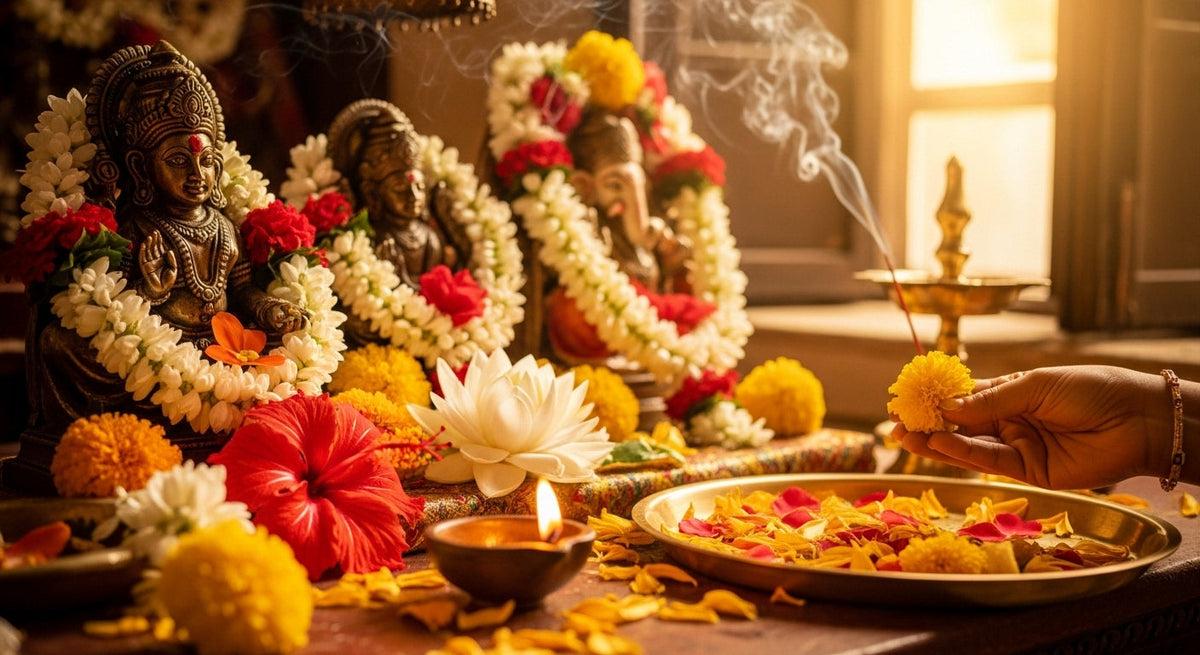
The traditional method of observing Nag Panchami may differ between regions and families. A simple puja may include prayers, flowers, water and other customary offerings.
Step 1: Clean the Puja Area
Clean the place where the puja will be performed and prepare a small worship area. A clean environment is traditionally considered important for religious rituals.
Step 2: Prepare the Puja Items
Depending on local tradition, devotees may keep items such as flowers, water, fruits, incense, a diya and other offerings used during the puja.
Step 3: Worship Nag Devta
Offer prayers to Nag Devta with devotion. A traditional image or representation of a serpent deity may be worshipped according to the customs followed by the family or temple.
Step 4: Offer Flowers and Traditional Offerings
Flowers, fruits and other customary offerings may be presented during the puja. The exact offerings can vary according to regional and family traditions.
Step 5: Light a Diya and Offer Prayers
A diya may be lit and prayers may be offered for peace, protection, prosperity and the well-being of family members.
Step 6: Perform Aarti
The puja may conclude with a traditional aarti and prayers. Devotees may also visit a nearby temple dedicated to Lord Shiva or Nag Devta.
Traditional Offerings on Nag Panchami
Offerings associated with Nag Panchami vary across different regions of India. Some devotees traditionally offer flowers, fruits, milk or other items according to local customs.
- Flowers
- Fruits
- Water
- Diya and incense
- Traditional sweets
- Other offerings followed by local family traditions
It is important to follow the customs of your region or temple rather than assuming that the same ritual is followed everywhere.
Nag Panchami and Lord Shiva
Nag Panchami is closely connected with Lord Shiva in Hindu tradition. Lord Shiva is traditionally depicted wearing a serpent around his neck, making serpent symbolism an important part of Shaiva traditions.
On Nag Panchami, some devotees visit Shiva temples and offer prayers to Lord Shiva along with their worship of Nag Devta. This may include traditional offerings and chanting according to individual customs.
Why is Nag Panchami Celebrated?
Nag Panchami is traditionally celebrated to honour Nag Devta and seek blessings for protection and family well-being. The festival also reflects the long-standing connection between Hindu traditions, nature and the symbolism of serpents.
Different regions have their own stories, rituals and customs associated with Nag Panchami. Therefore, the way the festival is celebrated can differ significantly from one community to another.
Regional Traditions of Nag Panchami
Nag Panchami is observed in many parts of India, but the customs and rituals are not identical everywhere. Some communities perform special pujas at temples, while others observe household rituals.
In some regions, people visit temples associated with Lord Shiva or serpent deities. Traditional songs, prayers and community celebrations may also form part of the observance.
Things to Keep in Mind on Nag Panchami
Religious practices should be performed respectfully and according to established local traditions. Live snakes should never be handled or disturbed for religious purposes.
It is also important to remember that snakes are wild animals. They should not be fed, handled or brought into homes or temples as part of a ritual. Worship can be performed through symbolic representations, temple rituals and prayer.
Frequently Asked Questions About Nag Panchami
When is Nag Panchami in 2026?
Nag Panchami will be observed on Monday, August 17, 2026.
What is the significance of Nag Panchami?
Nag Panchami is traditionally observed to honour Nag Devta and serpent deities. It is associated with prayers for protection, prosperity, family well-being and respect for nature.
What should be offered during Nag Panchami Puja?
Offerings vary by region and tradition. Flowers, fruits, water, diya, incense and traditional sweets may be used during the puja according to local customs.
Can Nag Panchami be worshipped at home?
Yes. Devotees may perform a simple prayer or puja at home according to their family traditions. Visiting a temple is another traditional way of observing the festival.
Is Nag Panchami connected with Lord Shiva?
Yes. Serpents have an important place in traditions associated with Lord Shiva, who is traditionally depicted with a serpent around his neck. Therefore, many devotees also visit Shiva temples during Nag Panchami.
Conclusion
Nag Panchami 2026 will be observed on August 17 and is an important festival associated with the worship of Nag Devta and serpent deities. The festival carries religious, cultural and traditional significance across different parts of India.
From performing puja and offering prayers to visiting temples and following regional traditions, devotees observe Nag Panchami in different ways. The festival also offers an opportunity to reflect on respect for nature and the living world around us.
If you plan to perform the puja, check your local Panchang for the exact Tithi and Puja Muhurat, as timings can vary according to location.
Disclaimer: This article describes traditional religious beliefs and practices for educational and cultural purposes. Festival dates and Muhurat can vary by location and Panchang tradition. Readers should consult their local Panchang or a qualified priest for location-specific timings and rituals.