 Cosmic Insights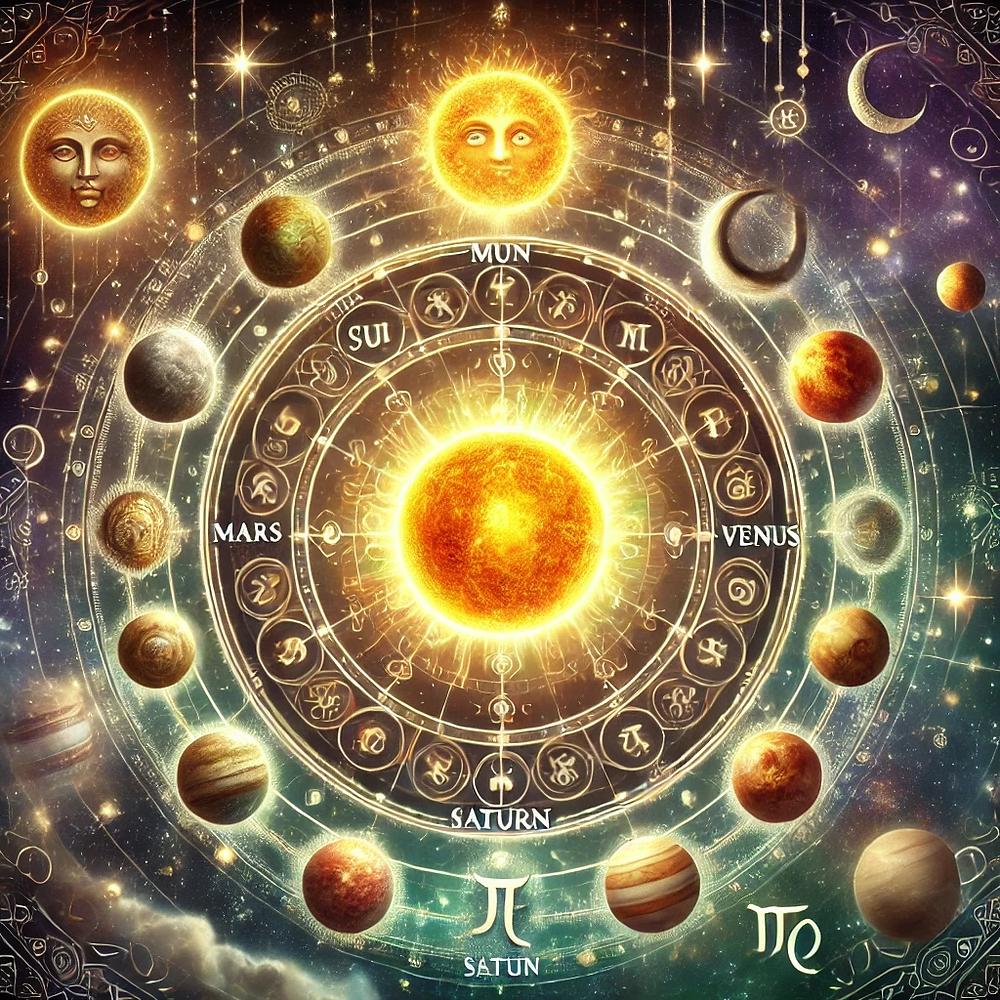
The Sun, Moon and Planets: Understanding Their Role in Astrology
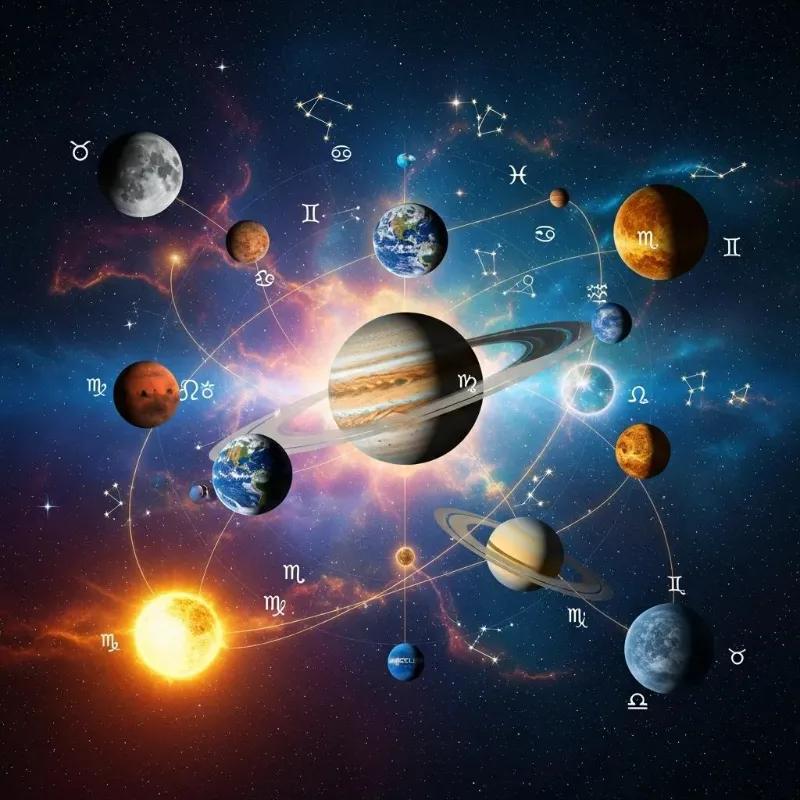
The Sun, Moon and planets form an important part of traditional Vedic astrology. Astrology studies the positions and movements of celestial bodies and interprets their symbolic relationship with a person's birth chart.
In Vedic astrology, each planet is traditionally associated with particular qualities, experiences and areas of life. The Sun is connected with vitality and individuality, the Moon with emotions and the mind, while planets such as Mercury, Venus, Mars, Jupiter and Saturn represent different symbolic influences.
Understanding these celestial bodies is one of the first steps toward understanding a birth chart. However, traditional astrology generally considers the complete chart rather than interpreting one planet in isolation.
The Sun in Astrology
The Sun is traditionally associated with vitality, confidence, individuality, authority and leadership. It represents the sense of identity and the desire to express one's personality.
In a birth chart, astrologers traditionally examine the Sun's zodiac sign, house placement and relationship with other planets. These factors are used to understand how qualities such as confidence, responsibility and leadership may be expressed.
The Sun is also traditionally connected with one's relationship with authority, recognition and personal purpose. A strong symbolic emphasis on the Sun may therefore be interpreted through themes of individuality and self-expression.
The Moon in Astrology
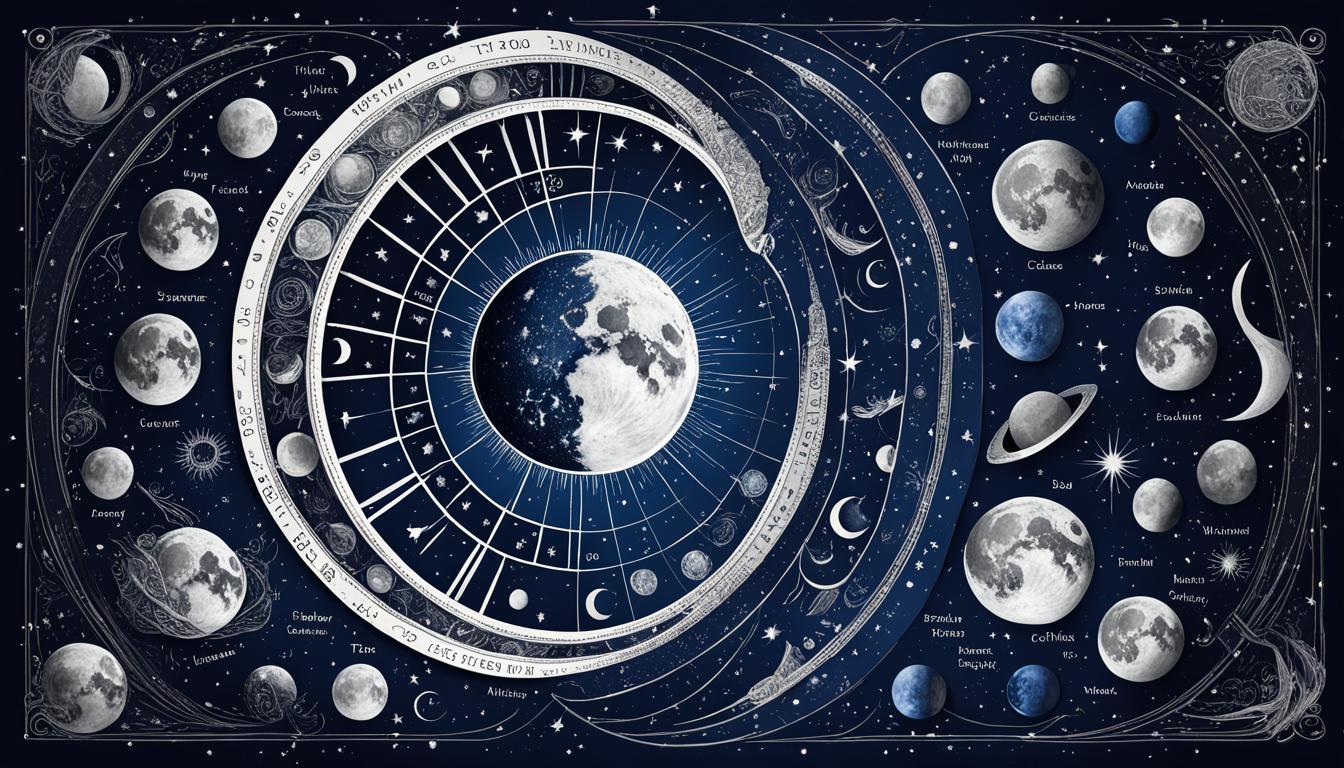
The Moon is traditionally associated with the mind, emotions, habits, sensitivity and inner experiences. It represents the way a person may respond emotionally to different situations.
Because the Moon moves relatively quickly through the zodiac, its position is especially important in Vedic astrology. The Moon's position is also used to determine the traditional Janma Rashi and Janma Nakshatra.
The Moon is also closely connected with the traditional concept of Tithi, which forms an important part of the Panchang. Therefore, the Moon has a significant place in both birth-chart interpretation and traditional calendar calculations.
Mercury and Communication
Mercury is traditionally associated with communication, learning, reasoning, mathematics, analysis and intellectual skills.
Astrologers may examine Mercury when studying traditional interpretations related to education, communication style, business and analytical thinking. Its influence is considered together with its zodiac sign, house and relationships with other planets.
Venus and Relationships
Venus is traditionally associated with love, relationships, beauty, creativity, art, comfort and enjoyment.
Venus is therefore often studied in traditional astrology when interpreting themes related to relationships, artistic interests, luxury and personal values.
Mars and Energy
Mars represents energy, courage, action, determination and initiative in traditional Vedic astrology.
Mars may be considered when studying a person's approach toward competition, challenges, ambition and taking action. Its placement can be interpreted differently depending on the rest of the birth chart.
Jupiter and Wisdom
Jupiter is traditionally associated with wisdom, knowledge, learning, growth, guidance and expansion.
Jupiter is often given importance when studying traditional themes involving education, philosophy, spirituality, teachers and personal development.
Saturn and Discipline
Saturn is traditionally associated with discipline, responsibility, patience, structure and long-term effort.
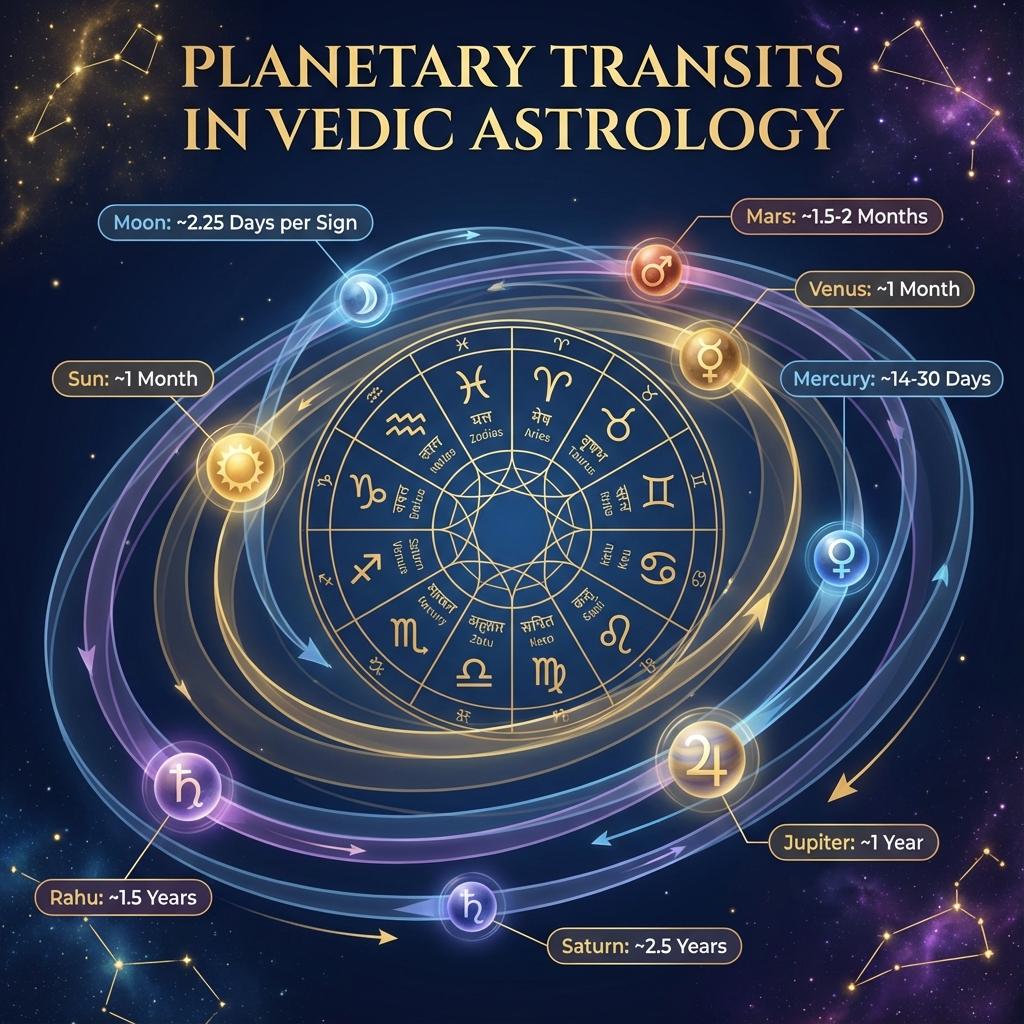
Saturn's traditional interpretation often emphasizes lessons that develop through time, consistency and responsibility. Because Saturn moves slowly, its transits are also given considerable attention in traditional astrology.
Rahu and Ketu
Rahu and Ketu are traditionally treated as important astrological points known as the lunar nodes. They are not physical planets, but they have an important place in Vedic astrology.
Rahu is traditionally associated with desires, ambition, unusual experiences and worldly exploration, while Ketu is associated with detachment, spirituality, introspection and letting go.
Why Planetary Positions Matter
Traditional astrology does not generally interpret a planet by itself. Astrologers consider its zodiac sign, house, aspects, conjunctions and relationship with other planets.
This is why two people with the same Sun sign can have very different traditional birth-chart interpretations. Their Moon, ascendant, houses and other planetary placements may be completely different.
Frequently Asked Questions
Which planet represents the mind?
The Moon is traditionally associated with the mind, emotions and inner experiences in Vedic astrology.
What does the Sun represent?
The Sun is traditionally associated with vitality, individuality, confidence, authority and leadership.
What do Rahu and Ketu represent?
Rahu and Ketu are lunar nodes that are traditionally associated with different themes involving desire, experience, detachment and transformation.
Conclusion
The Sun, Moon and planets provide the basic framework for understanding traditional Vedic astrology. Each celestial body carries its own symbolic meaning and is studied through its position within a birth chart.
Learning the traditional meanings of these celestial bodies provides a useful foundation for exploring topics such as Nakshatras, planetary transits, Dashas and other aspects of astrology.
Disclaimer: Astrology is a traditional belief and interpretive practice. This article is provided for educational and cultural purposes and should not be considered scientifically proven predictions or guaranteed outcomes.