 Rashifal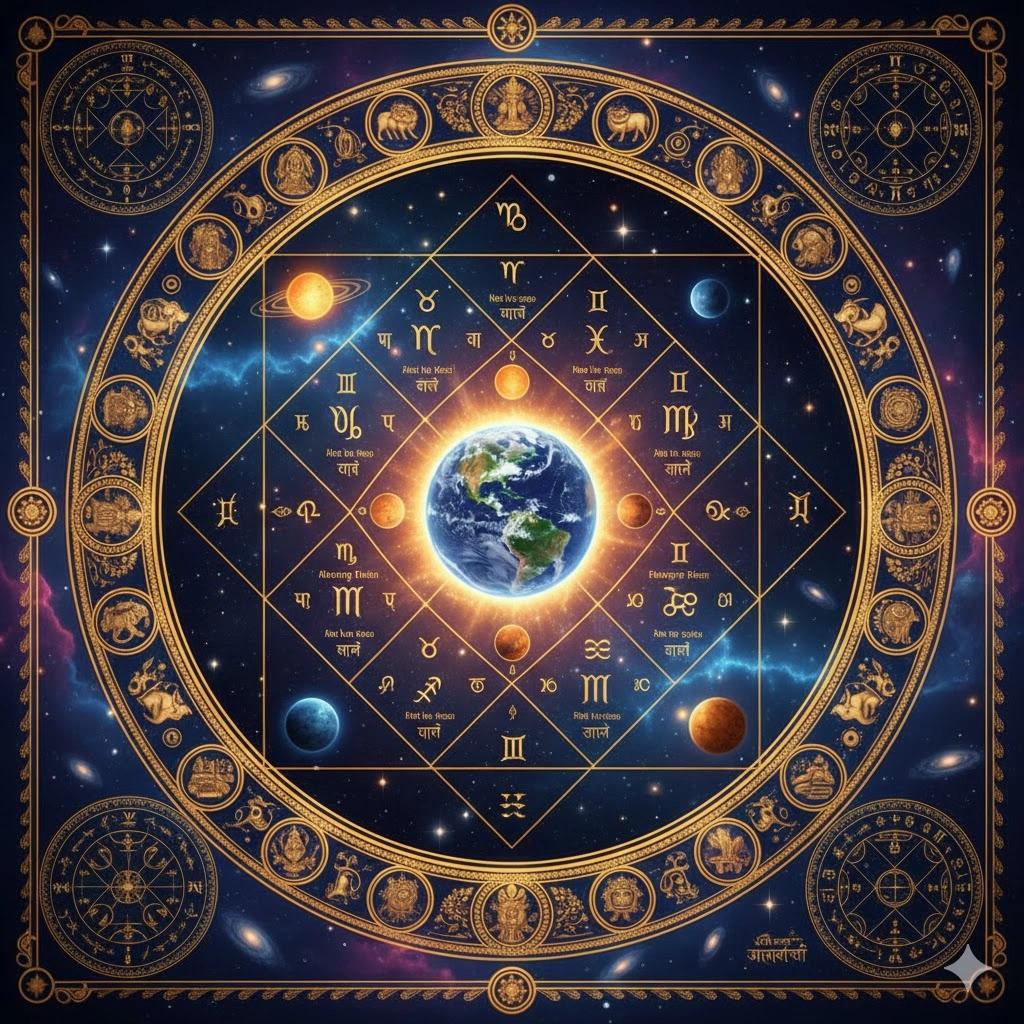
Rashifal Explained: Understanding Your Zodiac Sign in Vedic Astrology
Rashifal is one of the most familiar concepts in astrology. It provides traditional interpretations for the twelve zodiac signs and is commonly used to explore different areas of life such as career, relationships, education, finance and personal growth.
The word Rashifal can be understood as the interpretation or result associated with a particular Rashi, or zodiac sign. Daily, weekly and other horoscope predictions are traditionally prepared by studying planetary positions, zodiac signs and current planetary movements.
In Vedic astrology, the Moon sign, known as Janma Rashi, has particular importance. This is one of the features that distinguishes traditional Vedic astrology from many popular Sun-sign horoscope systems.
What Does Rashifal Mean?
Rashifal refers to the traditional astrological interpretation associated with a person's zodiac sign. General Rashifal predictions are normally prepared for each of the twelve Rashis.
These predictions may discuss several areas of everyday life. A typical Rashifal may contain sections about career, money, relationships, family, education, health and general advice.
Since a general Rashifal is written for an entire zodiac sign, it provides broad interpretations rather than a completely personalized prediction. A detailed traditional reading generally requires an individual's complete birth chart.
What is a Rashi?
In Vedic astrology, the zodiac is traditionally divided into twelve Rashis. Each Rashi covers 30 degrees of the zodiac and is associated with a particular planetary ruler, element and set of traditional characteristics.
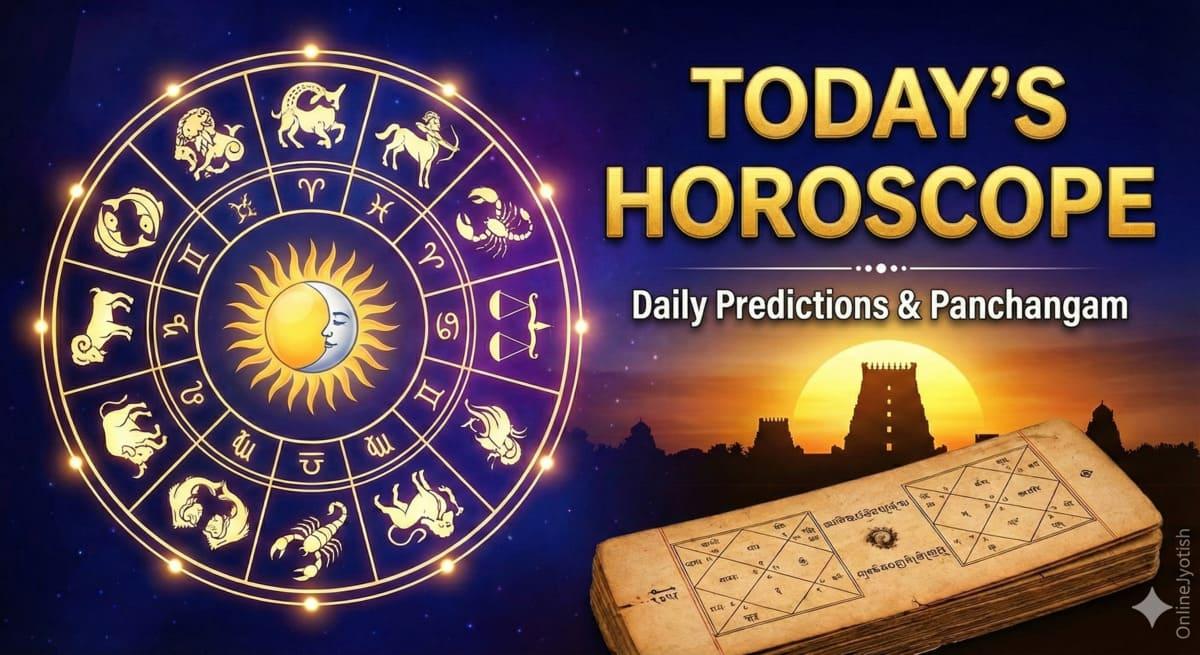
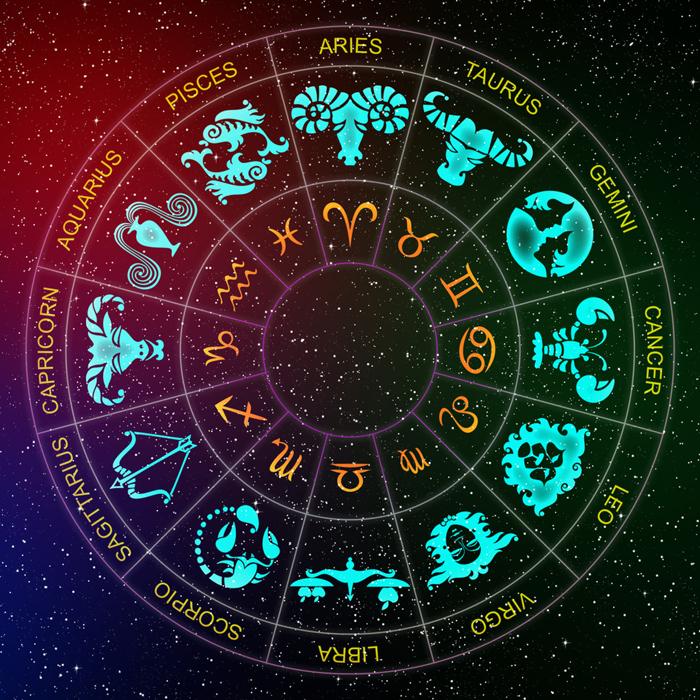
The twelve Rashis are:
- Mesha — Aries
- Vrishabha — Taurus
- Mithuna — Gemini
- Karka — Cancer
- Simha — Leo
- Kanya — Virgo
- Tula — Libra
- Vrishchika — Scorpio
- Dhanu — Sagittarius
- Makara — Capricorn
- Kumbha — Aquarius
- Meena — Pisces
Each Rashi has its own traditional symbolism. Astrologers consider these characteristics along with planetary placements when interpreting a chart.
What is Janma Rashi?
Janma Rashi refers to the zodiac sign occupied by the Moon at the time of a person's birth. It is traditionally considered one of the most important reference points in Vedic astrology.
To calculate the Janma Rashi accurately, the date, exact time and place of birth are traditionally required. These details allow an astrological chart to be calculated and the Moon's position to be identified.
The Moon is given special importance because it is traditionally associated with the mind, emotions, habits and inner experiences.
Rashi vs Sun Sign
Many people are familiar with their Sun sign from Western-style horoscope systems. In Vedic astrology, however, the Moon sign is often used as an important reference for Rashifal.
This means that a person's commonly known Sun sign and Janma Rashi may not always be the same. The difference occurs because different astrological systems use different calculations and reference points.
Understanding this difference can help explain why a person may see different horoscope descriptions depending on the astrology system being used.
How is Rashifal Prepared?
Traditional Rashifal interpretations may consider several astrological factors. These include the current positions of planets, their movement through zodiac signs, their relationship with houses and their connection with the Moon sign.
Fast-moving planets such as the Moon can be important for short-term interpretations. Slower-moving planets such as Jupiter and Saturn may be considered when discussing broader periods and long-term themes.
Traditional astrologers may also consider planetary aspects, conjunctions, retrograde motion and other chart factors while preparing horoscope interpretations.
Rashifal and Planetary Transits
Planetary transit refers to the current movement of a planet through the zodiac. Transits are an important concept in traditional horoscope interpretation.
Astrologers may compare the current planetary positions with the person's Moon sign or birth chart. For example, the movement of Jupiter or Saturn through a particular zodiac sign may be studied for its traditional relationship with the person's Rashi.
The interpretation of a transit depends on the complete astrological context rather than simply whether a planet is considered favorable or unfavorable.
Rashifal and the 12 Houses
Vedic astrology traditionally divides the birth chart into twelve houses. Each house is associated with different areas of life, such as personality, family, communication, career, relationships and gains.
When preparing a more detailed Rashifal, astrologers may consider which houses are activated by current planetary movements.
This is another reason why personalized birth-chart interpretation can be more detailed than a general zodiac prediction.
Why Can Two People Have Different Predictions?
A general Rashifal applies to a large number of people who share the same Rashi. However, each individual has a unique birth chart.
Differences in birth time, location, ascendant, Nakshatra, planetary positions and other chart factors can lead to different traditional interpretations.
Therefore, a general Rashifal should be understood as broad guidance rather than a precise prediction of what must happen to every person belonging to that Rashi.
How to Read Rashifal Responsibly
Rashifal can be an interesting way to learn about astrology and reflect on traditional themes. However, it is useful to remember that horoscope predictions are interpretations rather than guarantees.
Important decisions involving career, relationships, finances or other major areas of life should be based on practical information, personal judgment and appropriate professional guidance.
Frequently Asked Questions
What is Rashifal?
Rashifal refers to traditional horoscope interpretations associated with the twelve zodiac signs or Rashis.
What is Janma Rashi?
Janma Rashi is the zodiac sign occupied by the Moon at the time of birth.
Is Rashifal the same as a birth chart?
No. General Rashifal is usually based on a zodiac sign, while a birth chart contains detailed planetary positions calculated using the person's birth date, time and place.
Why is the Moon important in Vedic Rashifal?
The Moon is traditionally associated with the mind and emotions and its position is used to determine the Janma Rashi and Nakshatra.
Conclusion
Rashifal provides a simple way to explore traditional astrological interpretations for the twelve zodiac signs. It introduces readers to concepts such as Rashis, Moon signs, planetary transits and houses.
A general Rashifal can provide broad traditional guidance, while a personalized reading requires a complete birth chart and consideration of multiple astrological factors.
Understanding how Rashifal is traditionally prepared can help readers approach horoscope content with greater context and awareness.
Disclaimer: Rashifal and astrology are traditional interpretive practices and are not scientifically proven methods of predicting future events or outcomes. This content is provided for educational and cultural purposes.