 Rashifal
12 Rashis in Vedic Astrology: Characteristics and Traditional Significance
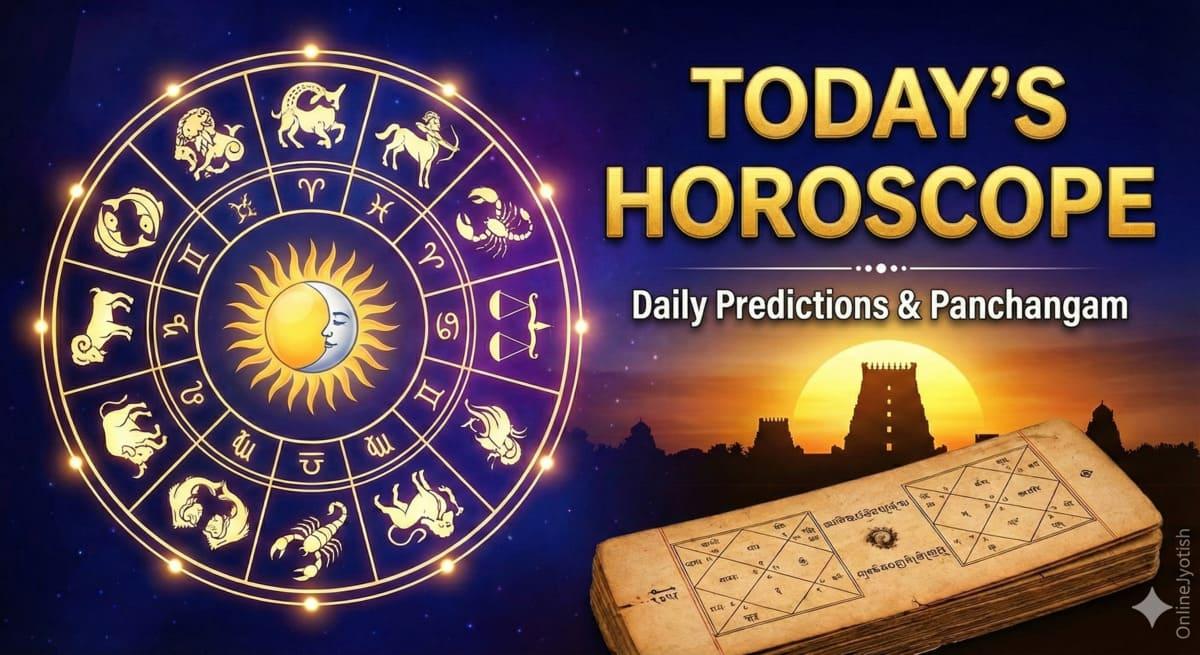
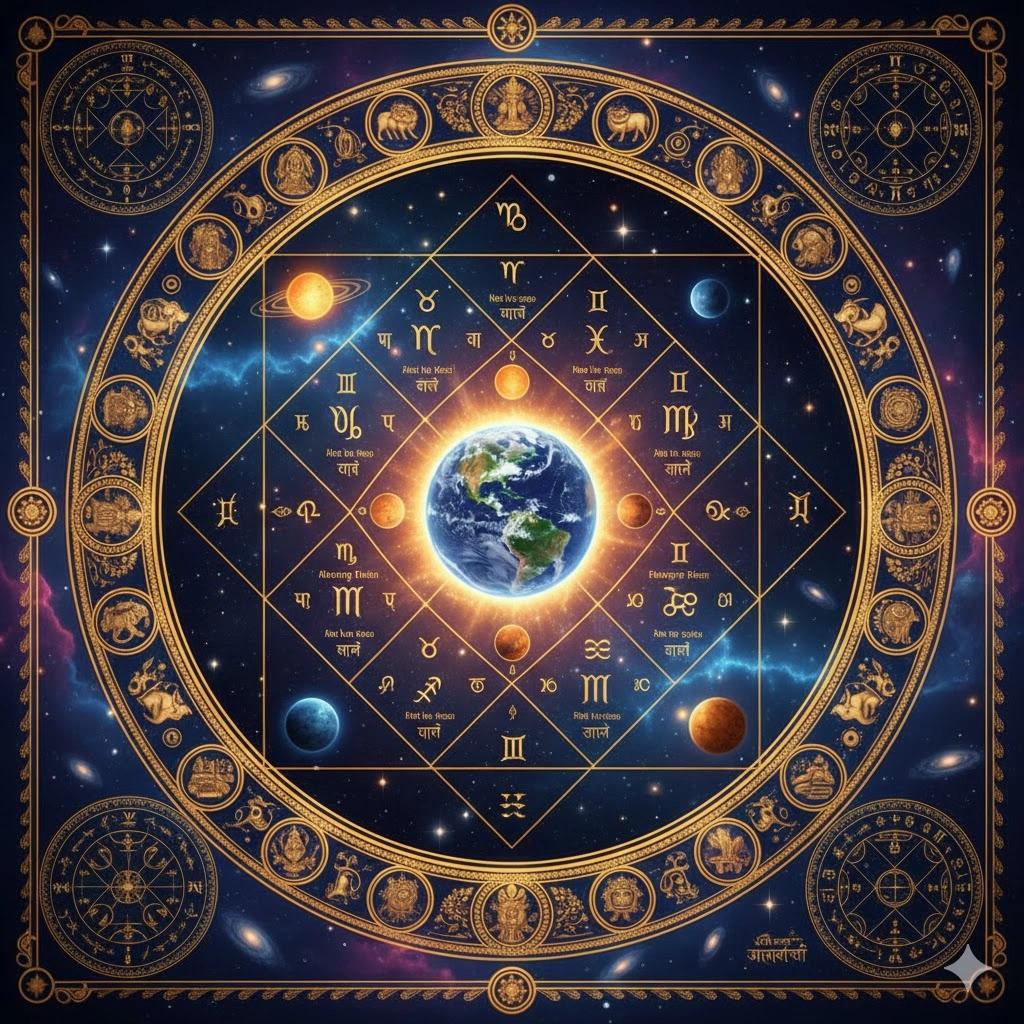
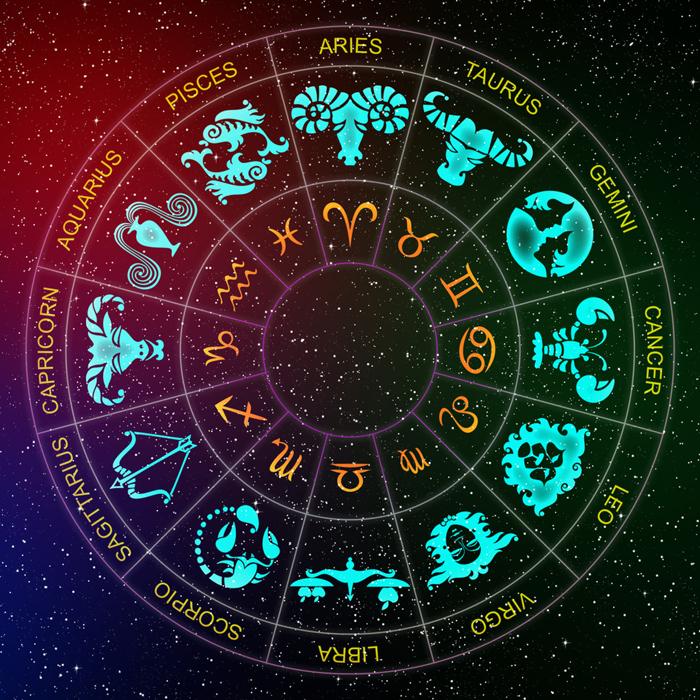
The twelve Rashis form one of the basic frameworks of Vedic astrology. The zodiac is traditionally divided into twelve equal sections, with each Rashi covering 30 degrees.
Each Rashi has a traditional name, planetary ruler, element and set of symbolic characteristics. Astrologers study these signs along with planets, houses, Nakshatras and other factors when interpreting a birth chart.
Learning about the twelve Rashis is useful for understanding Rashifal, Janma Rashi and the broader structure of traditional Vedic astrology.
1. Mesha Rashi — Aries
Mesha is the first Rashi in the traditional zodiac. It is ruled by Mars and is associated with the fire element.
Mesha is traditionally connected with courage, initiative, energy, independence and action. It represents the beginning of the zodiacal cycle and is often symbolically associated with enthusiasm and the willingness to take the first step.
In traditional astrology, strong Mesha influences may be interpreted through themes of leadership, competition and direct action.
2. Vrishabha Rashi — Taurus
Vrishabha is ruled by Venus and is associated with the earth element. It is traditionally connected with stability, comfort, beauty, determination and material values.
Vrishabha is often interpreted as a sign that values consistency and security. Traditional astrology may associate it with patience and determination when working toward long-term goals.
3. Mithuna Rashi — Gemini
Mithuna is ruled by Mercury and is associated with the air element. It is traditionally connected with communication, curiosity, learning and adaptability.
Mithuna's symbolism emphasizes exchanging information and exploring different ideas. Traditional interpretations may connect this Rashi with communication, intellectual interests and versatility.
4. Karka Rashi — Cancer
Karka is ruled by the Moon and is associated with the water element. It is traditionally connected with emotions, family, sensitivity and nurturing qualities.
Since the Moon is associated with the mind and emotions, Karka is often interpreted through themes involving emotional awareness, home and family connections.
5. Simha Rashi — Leo
Simha is ruled by the Sun and is associated with the fire element. It is traditionally connected with confidence, leadership, creativity and self-expression.
Simha symbolism emphasizes individuality and visibility. Traditional interpretations may associate it with leadership, responsibility and the desire to express one's abilities.
6. Kanya Rashi — Virgo
Kanya is ruled by Mercury and is associated with the earth element. It is traditionally linked with analysis, organization, practical thinking and attention to detail.
Kanya is often interpreted through practical and analytical qualities. Traditional astrology may associate this sign with planning, organization and careful examination of information.
7. Tula Rashi — Libra
Tula is ruled by Venus and is associated with the air element. It is traditionally connected with balance, relationships, harmony, beauty and cooperation.
The symbolism of Tula emphasizes balance and partnership. Traditional interpretations may associate it with diplomacy, cooperation and an appreciation for harmony.
8. Vrishchika Rashi — Scorpio
Vrishchika is traditionally ruled by Mars and is associated with the water element. It is connected with intensity, determination, transformation and emotional depth.
Traditional interpretations may describe Vrishchika through themes of persistence, strong will and transformation. It is often associated symbolically with depth and the ability to deal with significant change.
9. Dhanu Rashi — Sagittarius
Dhanu is ruled by Jupiter and is associated with the fire element. It is traditionally connected with knowledge, philosophy, exploration, optimism and learning.
Dhanu is often interpreted through themes of education, exploration and the search for knowledge and meaning.
10. Makara Rashi — Capricorn
Makara is ruled by Saturn and is associated with the earth element. It is traditionally connected with discipline, responsibility, ambition and long-term effort.
Traditional interpretations of Makara often emphasize patience, structure and gradual progress. The sign is associated with working steadily toward practical goals.
11. Kumbha Rashi — Aquarius
Kumbha is traditionally associated with Saturn and is connected with the air element. It is linked with ideas, broader perspectives, independence and social thinking.
Traditional interpretations may associate Kumbha with originality, intellectual interests and considering ideas from a wider perspective.
12. Meena Rashi — Pisces
Meena is ruled by Jupiter and is associated with the water element. It is traditionally connected with compassion, imagination, spirituality and sensitivity.
Meena is often interpreted through themes of empathy, creativity, intuition and spiritual interests.
Understanding the Four Elements
The twelve Rashis are traditionally connected with four elements: Fire, Earth, Air and Water.
- Fire: Mesha, Simha and Dhanu.
- Earth: Vrishabha, Kanya and Makara.
- Air: Mithuna, Tula and Kumbha.
- Water: Karka, Vrishchika and Meena.
These elemental associations are traditionally used to describe broad symbolic qualities of the signs.
Rashi and Planetary Rulers
Each Rashi is traditionally associated with a planetary ruler. The planetary ruler is considered important when interpreting the sign's role in a birth chart.
For example, Mars rules Mesha and Vrishchika, Venus rules Vrishabha and Tula, while Jupiter rules Dhanu and Meena. These relationships form part of the traditional structure used by Vedic astrologers.
Why Are the 12 Rashis Important?
The twelve Rashis provide a framework for organizing the zodiac in Vedic astrology. Astrologers examine the Rashi occupied by planets and consider how those placements interact with houses, aspects and other chart factors.
A Rashi should therefore not be interpreted independently. Its meaning can change depending on the planet occupying the sign, its house placement and its relationship with other planets.
Frequently Asked Questions
How many Rashis are there?
There are twelve Rashis in the traditional Vedic zodiac.
What determines Janma Rashi?
Janma Rashi is traditionally determined by the zodiac sign occupied by the Moon at the time of birth.
Does each Rashi have a ruling planet?
Yes. Each Rashi is traditionally associated with a planetary ruler, which is considered important in birth-chart interpretation.
Conclusion
The twelve Rashis form an important foundation of Vedic astrology. Each sign has its own traditional ruler, element and symbolic qualities.
Understanding these twelve signs makes it easier to explore Rashifal, birth charts, planetary placements, Nakshatras and other areas of traditional astrology.
Disclaimer: The characteristics described for the twelve Rashis are based on traditional astrological interpretations and are not scientifically proven personality classifications.