 Nakshatra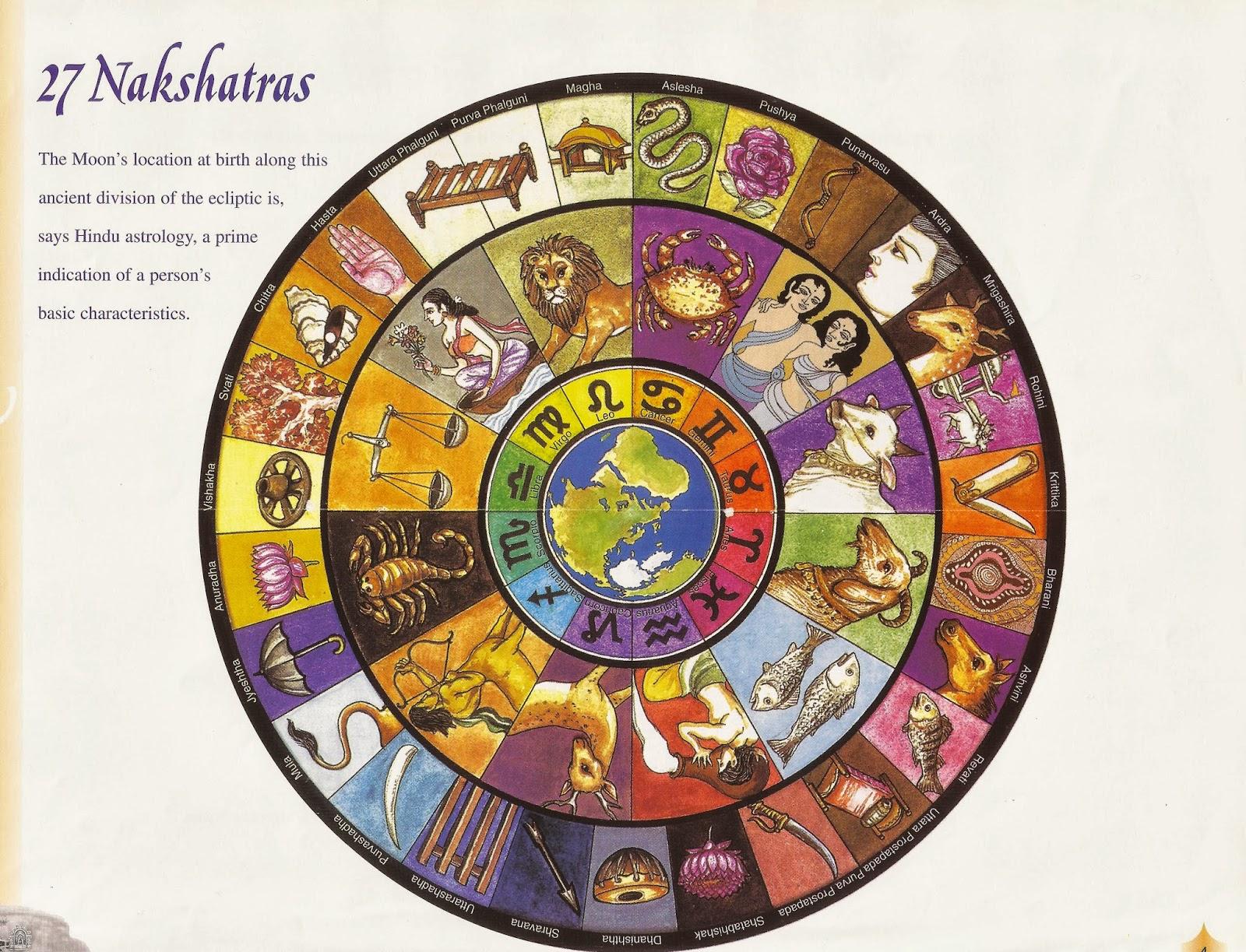
Nakshatra in Vedic Astrology: Meaning, Importance and the 27 Nakshatras
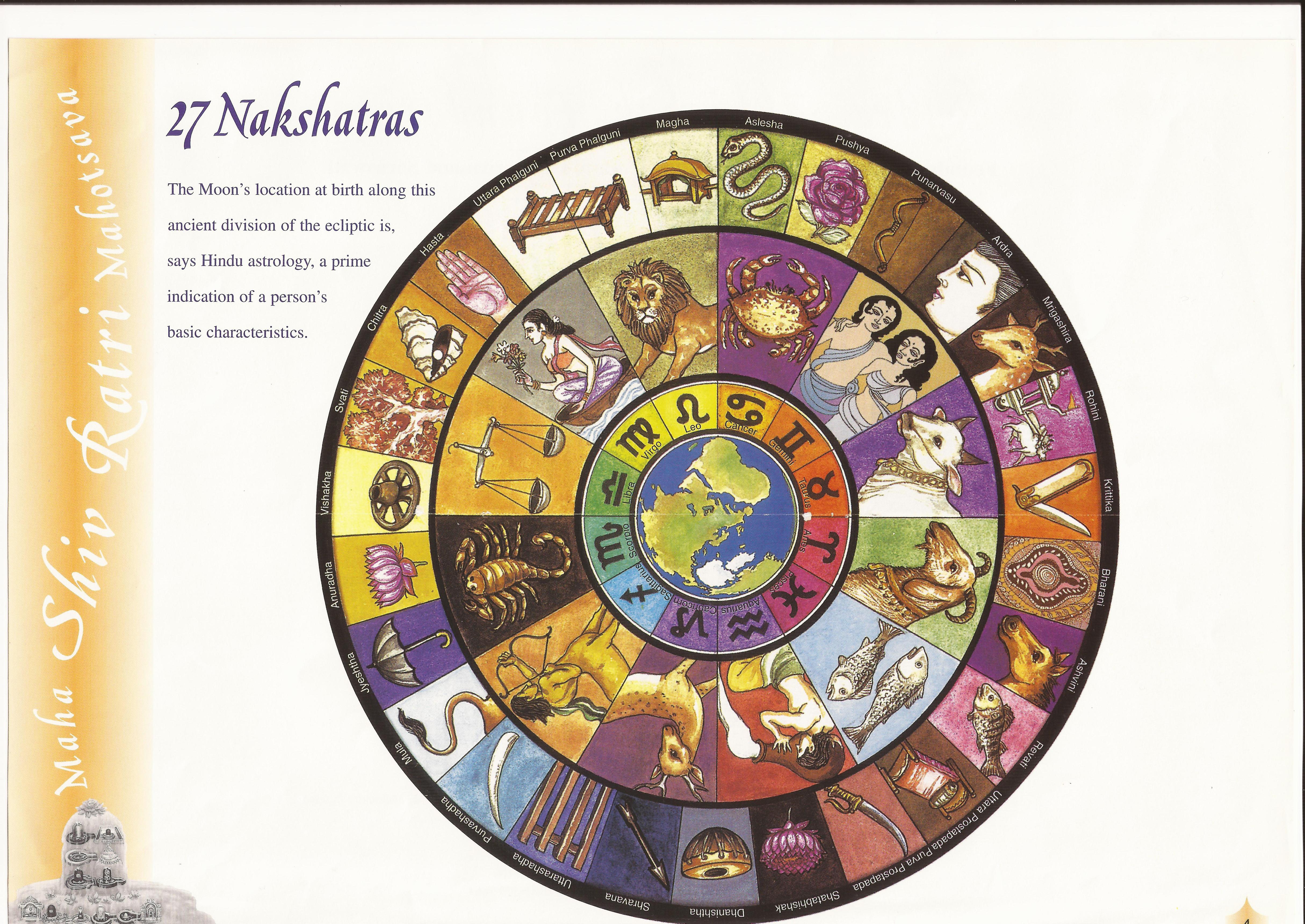
Nakshatras hold a special place in Vedic astrology and are traditionally used to understand the deeper influence of the Moon in a birth chart. The zodiac is divided into 27 Nakshatras, also known as lunar constellations or lunar mansions. Each Nakshatra has its own ruling planet, deity, symbol, qualities and traditional significance.
In Vedic astrology, the position of the Moon at the exact time of a person's birth determines their Janma Nakshatra, or birth Nakshatra. It is traditionally considered important for understanding the mind, emotions, behaviour, personality tendencies and different experiences of life.
Unlike zodiac signs, which provide a broader picture of a person's astrological personality, Nakshatras are used to explore finer details. They are also traditionally considered while studying marriage compatibility, Muhurat, planetary periods, Kundli interpretation and other aspects of Vedic astrology.
What is a Nakshatra?
The word Nakshatra refers to a lunar constellation or a specific section of the zodiac associated with the movement of the Moon. In the traditional Vedic astrology system, the complete 360-degree zodiac is divided into 27 equal Nakshatras.
Each Nakshatra covers approximately 13°20' of the zodiac. Since the Moon moves relatively quickly through the zodiac, it passes through different Nakshatras during its journey.
Every Nakshatra is further divided into four smaller sections known as Padas. Each Pada covers approximately 3°20'. These Padas are traditionally used to provide more detailed interpretations of a person's birth chart.
Why Are Nakshatras Important in Vedic Astrology?
Nakshatras are traditionally considered one of the important foundations of Vedic astrology. They provide an additional layer of information beyond the twelve zodiac signs.
Astrologers traditionally study Nakshatras to gain deeper insights into areas such as:
- Personality and behavioural tendencies
- Emotional nature and mental patterns
- Birth chart and Kundli interpretation
- Marriage and relationship compatibility
- Career and professional tendencies
- Auspicious timings and Muhurat
- Planetary periods such as Vimshottari Dasha
- Traditional spiritual practices and interpretations
The Moon is particularly important in Nakshatra analysis because Vedic astrology traditionally associates the Moon with the mind, emotions, habits and inner experiences.
The 27 Nakshatras
The traditional system consists of 27 Nakshatras. Each has a unique name, ruling planet, deity, symbol and set of traditional characteristics.
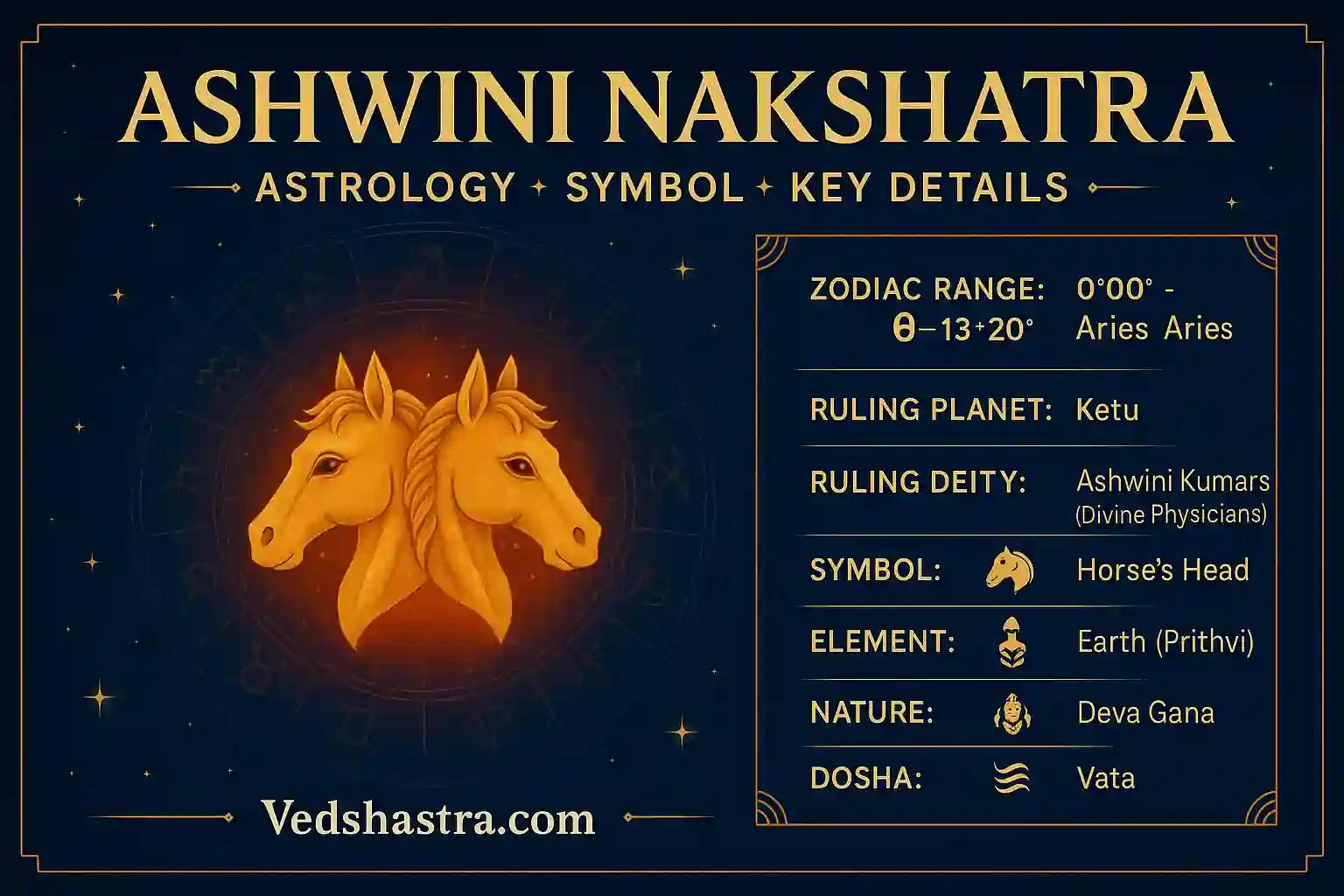
1. Ashwini Nakshatra
Ashwini is the first Nakshatra in the traditional sequence. It is associated with speed, energy, initiative, movement and new beginnings. Its traditional symbolism is connected with the horse and the Ashwini Kumaras, who are associated with healing and vitality.
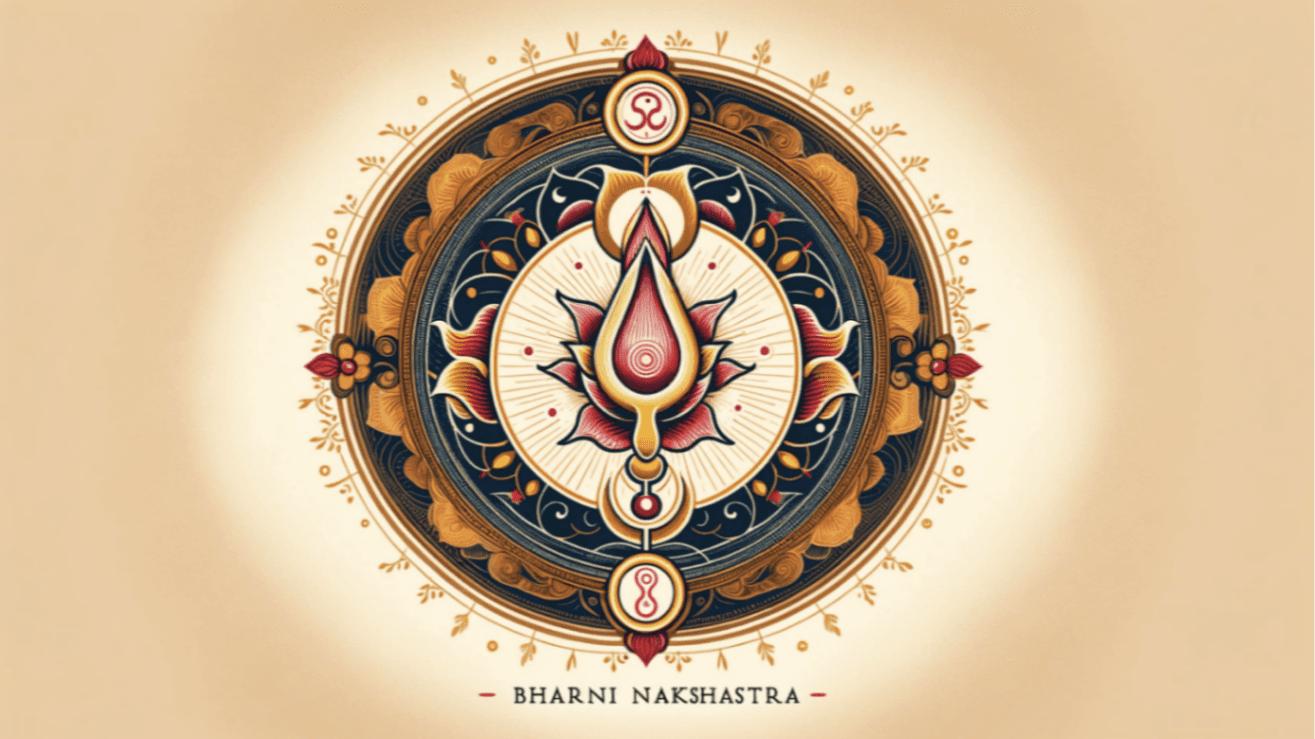
2. Bharani Nakshatra
Bharani is traditionally associated with responsibility, transformation, creativity and the ability to manage difficult situations. Its symbolism is connected with creation, growth and the responsibilities associated with life.
3. Krittika Nakshatra
Krittika is associated with fire, determination, courage and purification. Its traditional symbolism represents the ability to remove unwanted influences and create transformation through strength and discipline.
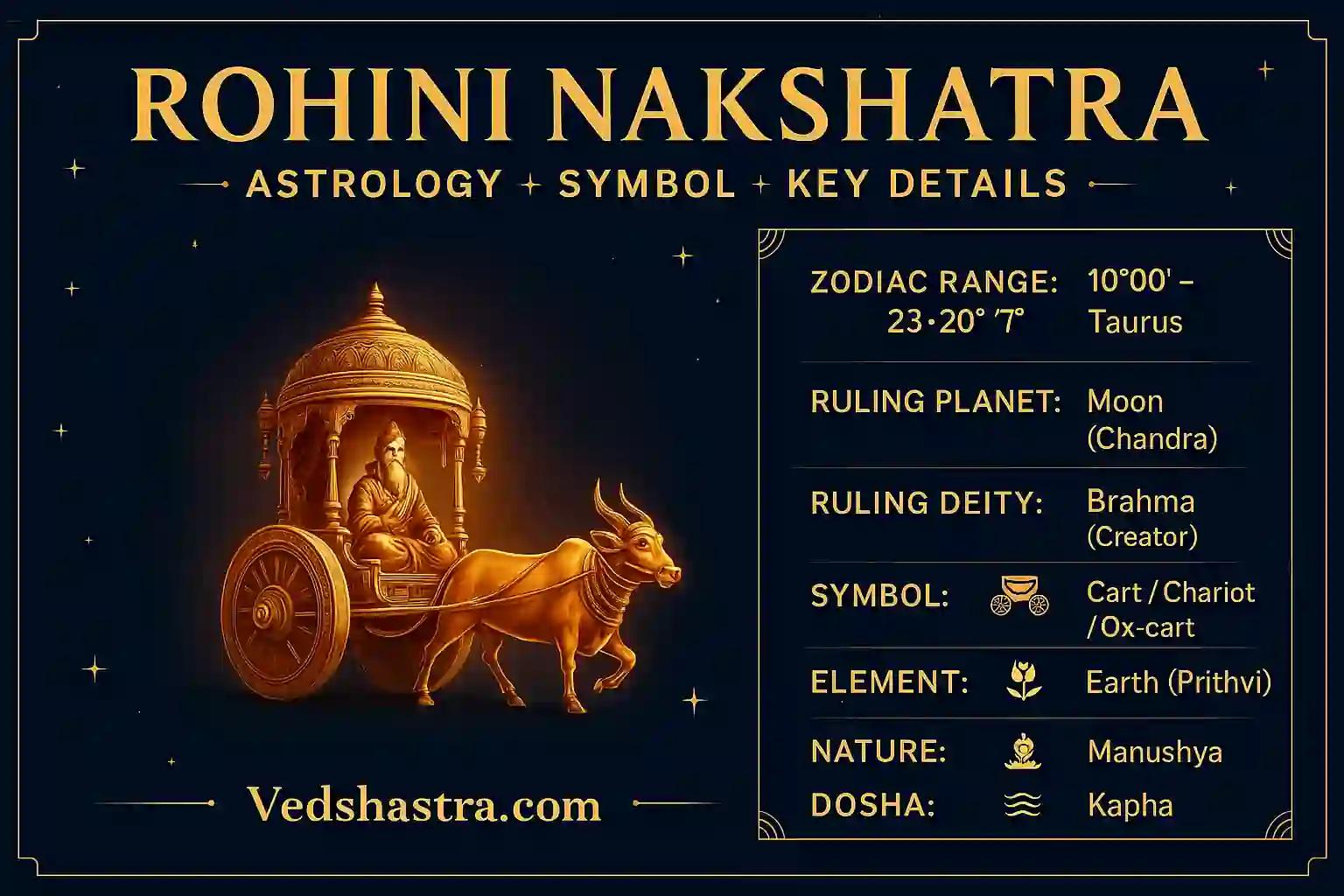
4. Rohini Nakshatra
Rohini is traditionally connected with beauty, creativity, attraction, growth and nourishment. It is ruled by the Moon and is often associated with artistic qualities, material growth and a nurturing nature.
5. Mrigashira Nakshatra
Mrigashira is associated with curiosity, exploration, searching and learning. Its traditional symbol is connected with a deer, representing a gentle and inquisitive nature. It is often associated with the desire to discover new knowledge and experiences.
6. Ardra Nakshatra
Ardra is traditionally associated with transformation, intensity, research and emotional depth. Its symbolism is connected with a teardrop and the process of experiencing change before reaching a new understanding.
7. Punarvasu Nakshatra
Punarvasu represents renewal, restoration and returning to balance. It is traditionally associated with optimism, adaptability and the ability to begin again after challenging circumstances.
8. Pushya Nakshatra
Pushya is traditionally associated with nourishment, wisdom, protection and growth. It is often considered significant for traditional spiritual and auspicious activities. Its symbolism reflects care, support and development.
9. Ashlesha Nakshatra
Ashlesha is associated with intuition, mystery, depth and psychological insight. Its traditional symbol is the serpent, representing hidden knowledge, sensitivity and transformative energy.
10. Magha Nakshatra
Magha is traditionally associated with ancestors, heritage, authority and tradition. It represents respect for one's roots and the importance of family lineage and traditional values.
11. Purva Phalguni Nakshatra
Purva Phalguni is associated with creativity, relationships, enjoyment and relaxation. It is traditionally connected with artistic expression, social interactions and appreciation of life's pleasures.
12. Uttara Phalguni Nakshatra
Uttara Phalguni represents responsibility, friendship, cooperation and long-term commitments. It is traditionally associated with partnerships, agreements and maintaining stable relationships.
13. Hasta Nakshatra
Hasta is associated with skill, intelligence, craftsmanship and practical ability. Its traditional symbol is the hand, representing the ability to create, organize and accomplish tasks through skill and effort.
14. Chitra Nakshatra
Chitra is traditionally connected with beauty, creativity, design and artistic expression. It represents an appreciation for aesthetics and the ability to create something attractive or meaningful.
15. Swati Nakshatra
Swati represents independence, flexibility, movement and adaptability. It is traditionally associated with the ability to develop independently and find one's own direction in life.
16. Vishakha Nakshatra
Vishakha is associated with ambition, determination, focus and achievement. It traditionally represents the pursuit of goals and the ability to remain committed to a desired outcome.
17. Anuradha Nakshatra
Anuradha is traditionally connected with friendship, devotion, cooperation and discipline. It is associated with building meaningful relationships and maintaining loyalty and trust.
18. Jyeshtha Nakshatra
Jyeshtha is associated with seniority, responsibility, protection and authority. Its traditional symbolism represents experience and the responsibilities that may accompany a position of importance.
19. Mula Nakshatra
Mula is associated with roots, investigation, transformation and searching for deeper truth. The word "Mula" means root, reflecting the traditional idea of going to the source or foundation of a matter.
20. Purva Ashadha Nakshatra
Purva Ashadha is traditionally associated with confidence, determination, purification and perseverance. It represents the ability to remain strong and continue working toward one's goals.
21. Uttara Ashadha Nakshatra
Uttara Ashadha is associated with leadership, responsibility, determination and lasting achievement. It traditionally represents success that develops through perseverance, discipline and ethical conduct.
22. Shravana Nakshatra
Shravana is traditionally associated with listening, learning, communication and knowledge. Its symbolism emphasizes the importance of hearing, understanding and gaining wisdom through observation and learning.
23. Dhanishta Nakshatra
Dhanishta is associated with prosperity, rhythm, music, ambition and social connections. Its traditional symbolism is connected with musical rhythm and abundance.
24. Shatabhisha Nakshatra
Shatabhisha is traditionally associated with healing, research, independence and mystery. It is connected with the idea of exploration, discovery and finding solutions to difficult problems.
25. Purva Bhadrapada Nakshatra
Purva Bhadrapada is associated with spirituality, idealism, transformation and philosophical thinking. It is traditionally connected with deeper questions about life and spiritual exploration.
26. Uttara Bhadrapada Nakshatra
Uttara Bhadrapada represents wisdom, stability, patience and inner transformation. It is traditionally associated with emotional maturity, understanding and a calm approach toward life's experiences.
27. Revati Nakshatra
Revati is the final Nakshatra in the traditional sequence. It is associated with protection, compassion, nourishment, travel and completion. Its traditional symbolism is connected with safe journeys and guidance.
What is Janma Nakshatra?
The Nakshatra occupied by the Moon at the time of birth is known as the Janma Nakshatra. In traditional Vedic astrology, it is given particular importance because the Moon is associated with the mind, emotions, habits and inner nature.
To determine the Janma Nakshatra accurately, an astrologer generally uses the person's date of birth, exact time of birth and place of birth. These details help determine the exact position of the Moon at the time of birth.
The Janma Nakshatra is traditionally used as a starting point for several types of astrological analysis, including Dasha calculations and certain aspects of horoscope interpretation.
What Are Nakshatra Padas?
Every Nakshatra is divided into four sections called Padas. Each Pada covers approximately 3°20' of the zodiac.
The four Padas provide additional detail within a Nakshatra. In traditional astrology, the Pada is considered when examining planetary positions and interpreting finer differences between individuals who may have the same Nakshatra.
Therefore, two people can have the same Janma Nakshatra while having different Padas. Their traditional astrological interpretations may therefore differ in certain areas.
Nakshatra and Marriage Compatibility
Nakshatras are traditionally used in Vedic marriage compatibility analysis. The birth Nakshatras of two individuals may be compared through systems such as Ashtakoota and Guna Milan.
These traditional systems consider several compatibility factors. Nakshatra-based analysis may be used to study emotional compatibility, temperament and other relationship-related characteristics.
However, Nakshatra matching is generally considered only one part of traditional horoscope matching. Astrologers may also examine the Moon sign, ascendant, planetary placements, houses and other factors before reaching an overall interpretation.
Nakshatra and Career
In traditional astrology, Nakshatras may also be considered while studying professional interests and career tendencies. Different Nakshatras are traditionally associated with qualities such as creativity, communication, leadership, research, organization and practical skills.
For example, a Nakshatra traditionally associated with creativity may be interpreted differently from one associated with research or leadership. However, career interpretation should not be based on Nakshatra alone.
A complete traditional career analysis may consider the ascendant, tenth house, planets, planetary periods and other elements of the birth chart along with the Nakshatra.
Nakshatra and Vimshottari Dasha
Nakshatras have an important role in the traditional Vimshottari Dasha system. The Moon's Nakshatra at the time of birth is traditionally used to determine the starting planetary period.
The Vimshottari Dasha system follows a sequence of planetary periods associated with the Nakshatra rulers. These periods are traditionally used by astrologers to study different phases and themes of life.
Because of this connection, knowing the birth Nakshatra can be useful when studying the traditional timing techniques used in Vedic astrology.
Nakshatras and Muhurat
Nakshatras are also traditionally considered when selecting Shubh Muhurat, or auspicious timings. Certain Nakshatras are traditionally considered favourable for particular activities.
Muhurat analysis may be used for occasions such as marriage ceremonies, starting a business, housewarming, religious ceremonies and other important events.
The selection of a Muhurat generally involves several astrological factors rather than Nakshatra alone. Tithi, weekday, Yoga, Karana and planetary positions may also be considered in traditional Panchang-based practices.
How Can You Find Your Nakshatra?
Your Nakshatra can traditionally be calculated using your birth details. The most important information required is:
- Date of birth
- Exact time of birth
- Place of birth
These details are used to calculate the Moon's position at the time of birth. The Nakshatra in which the Moon was placed is then identified as the person's Janma Nakshatra.
Accurate birth information is useful because even a change in birth time can sometimes affect detailed chart calculations, particularly when the Moon is close to a Nakshatra boundary.
Nakshatra vs Zodiac Sign
Nakshatras and zodiac signs are both used in Vedic astrology, but they represent different levels of interpretation.
- Zodiac Signs: The zodiac is divided into 12 signs, each covering 30 degrees.
- Nakshatras: The zodiac is traditionally divided into 27 Nakshatras, each covering approximately 13°20'.
- Padas: Each Nakshatra is divided into four Padas for more detailed analysis.
In simple terms, zodiac signs can provide a broader picture, while Nakshatras are traditionally used to explore more detailed characteristics and influences.
Frequently Asked Questions About Nakshatras
How many Nakshatras are there?
There are traditionally 27 Nakshatras in Vedic astrology. Each Nakshatra covers approximately 13°20' of the zodiac and is divided into four Padas.
Which planet determines the Janma Nakshatra?
The Janma Nakshatra is determined by the position of the Moon at the time of birth. The Moon's location within the zodiac identifies the person's birth Nakshatra.
Can two people have the same Nakshatra?
Yes. Many people can have the same Nakshatra. However, their Pada and other planetary placements may be different, resulting in different traditional horoscope interpretations.
Is Nakshatra important for marriage matching?
Nakshatra is traditionally considered an important factor in Vedic marriage compatibility. However, traditional horoscope matching generally considers multiple factors rather than relying only on Nakshatra.
Can I find my Nakshatra using my birth details?
Yes. A person's Nakshatra can traditionally be calculated using their date, exact time and place of birth to determine the position of the Moon.
Conclusion
Nakshatras provide a detailed and traditional framework within Vedic astrology. The 27 Nakshatras, their ruling planets, symbols, deities and Padas are used to explore different aspects of a birth chart.
From understanding the Janma Nakshatra to studying marriage compatibility, Muhurat and Vimshottari Dasha, Nakshatras have a significant role in traditional astrological practices.
Learning about the Nakshatras can be a useful starting point for anyone interested in understanding the deeper concepts of Vedic astrology and exploring how lunar constellations are traditionally interpreted.
Disclaimer: Astrology is a traditional belief and interpretive practice. The information provided in this article is intended for educational and cultural purposes. Astrological interpretations should not be considered scientifically proven predictions or guaranteed outcomes.